|
| Character | 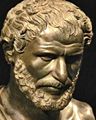 | Ήθος ανθρώπω δαίμων. Character is destiny. — Heraclitus, 544-484 BC, Ancient Greek philosopher | 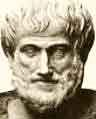 | Μηδέ ποίος τις νυν, αλλά ποίος τις ην αεί. Don’t ask who is now, but who he has always been. — Aristotle, 384-322 BC, Ancient Greek philosopher |  | Κατά τον δαίμονα εαυτού. True to his own spirit. — Inscription, in Greek, on Jim Morrison’s tombstone in Paris | 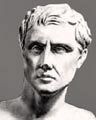 | Φύσιν πονηρά μεταβαλείν ου ράδιον. It’s not easy to change a bad character. — Menander, 4th cent. BC, Ancient Greek dramatist (New Comedy) | 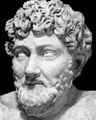 | Ήθος το πράον και το προσηνές ρήμα. Character lies in polite and friendly speaking. — Aesop, 620-560 BC, Ancient Greek fabulist | 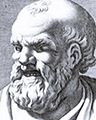 | Οίσιν ο τρόπος εστίν εύτακτος, τούτοισι και ο βίος συντέτακται. Those with a well-ordered character will have a well-ordered life too. — Democritus, 470-370 BC, Ancient Greek philosopher |  | Γυναικί κόσμος οι τρόποι, ουχί χρυσία. The real ornament of woman is her character, not jewelry. — Ancient Greek proverb | 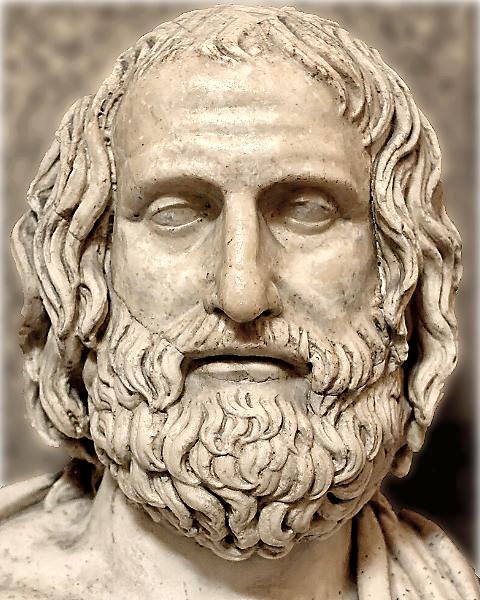 | Τα χείρονα πλείω βροτοίσιν εστι των αμεινόνων. In men, the worse things are more than the good things. — Euripides, 480-406 BC, Ancient Greek tragedian ‐ Rhesus |  | Το της πόλεως όλης ήθος, ομοιούται τοις άρχουσιν. The character of the state reflects the character of its governors. — Isocrates, 436-338 BC, Ancient Greek rhetorician | | Τα καλά γνωρίζουσι και ζηλούσιν οι ευφέες προς αυτά. The noble deeds are known and emulated by those who have a natural inclination to these things. — Democritus, 470-370 BC, Ancient Greek philosopher | | Κτηνέων μεν ευγένεια η του σκήνεος ευσθένεια, ανθρώπων δε η του ήθεος ευτροπίη. Good breeding for the animals means bodily strength and for the men grace of character. — Democritus, 470-370 BC, Ancient Greek philosopher |  | Μήτε ευήθης ίσθι, μήτε κακοήθης. Be neither naive nor nasty. — Bias of Priene, 625-540 BC, one of the 7 sages of Ancient Greece | 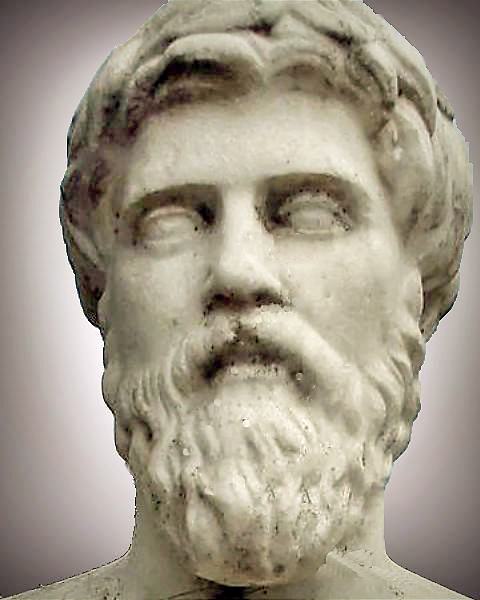 | Έκαστος εν αυτώ τα της ευθυμίας και δυσθυμίας έχει ταμιεία. Everyone has within them the reserves of happiness and unhappiness. — Plutarch, 47-120 AD, Ancient Greek historian | | | |
|
|
|
| Soul | | Φιλία εστί μία ψυχή εν δυσί σώμασιν ενοικουμένη. Friendship is one soul living in two bodies. — Aristotle, 384-322 BC, Ancient Greek philosopher | 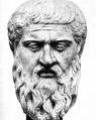 | Ο θάνατος τυγχάνει ων, ως εμοί δοκεί, ουδέν άλλο ή δυοίν πραγμάτοιν διάλυσις, της ψυχής και του σώματος απ’ αλλήλου. I think death is nothing more than the separation of two things from one another: soul and body. — Plato, 427-347 BC, Ancient Greek philosopher | 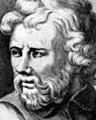 | Ψυχάριον εί, βαστάζον νεκρόν. You are a little soul, carrying a corpse. — Epictetus, 50-120 AD, Ancient Greek Stoic philosopher | | Ευδαιμονίη ψυχής και κακοοδαιμονίη. Happiness comes from the soul, like unhappiness. — Democritus, 470-370 BC, Ancient Greek philosopher | | Δει γαρ την μεν τέχνην χρήσθαι τοις οργάνοις, την δε ψυχήν τω σώματι. Each art must use its tools, each body its soul. — Aristotle, 384-322 BC, Ancient Greek philosopher |  | Νομίζω τους ανθρώπους ουκ εν τη οικία τον πλούτον και την πενίαν έχειν, αλλ’ εν ταις ψυχαίς. I think that people do not have wealth and poverty in their homes but in their souls. — Xenophon, 430-355 BC, Ancient Greek soldier & historian | | Η ψυχή διαιρείται εις τρία: το μεν γαρ αυτής εστι λογιστικόν, το δε επιθυμητικόν, το δε θυμικόν. The soul is divided into three parts: the rational, the desirous, and the emotional. — Plato, 427-347 BC, Ancient Greek philosopher | | Ψυχής πείρατα ιών ουκ αν εξεύροιο, πάσαν επιπορευόμενος οδόν. Βαθύν λόγον έχει. You would not find the boundaries of the soul, no matter which path you follow. It has a deep structure. — Heraclitus, 544-484 BC, Ancient Greek philosopher |  | Ο μεν γεωργός, την γην, ο δε φιλόσοφος την ψυχήν εξημεροί. The farmer cultivates the earth, the philosopher cultivates the soul. — Theocritus, 3rd cent. BC, Ancient Greek poet | | | |
|
| Mind | 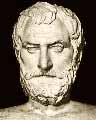 | Τάχιστον νους, δια παντός γαρ τρέχει. Mind is the swiftest of things, for it runs through everything. — Thales of Miletus, 643-548 BC, Ancient Greek philosopher | 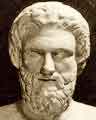 | Ο νους δε σου παρών αποδημεί. Your mind, you being here, is elsewhere. — Aristophanes, 445-386 BC, Ancient Greek comic playwright ‐ Knights | | Σώματος κάλλος ζωώδες ήν μη νους υπή. Physical beauty is an animal trait, if there is no mind beneath. — Democritus, 470-370 BC, Ancient Greek philosopher | | Αι δε σάρκες αι κεναί φρενών αγάλματα αγοράς εισίν. Bodies destitute of brains are as statues in the marketplace. — Euripides, 480-406 BC, Ancient Greek tragedian ‐ Electra |  | Νους ορά και νους ακούει. Τάλλα κωφά και τυφλά. It is the mind that sees and hears; everything else is deaf and blind. — Epicharmus of Kos, 530-440 BC, Ancient Greek poet | | | |
|
|
|
|
|
| Mood | 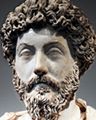 | Ολίγα πρήσσε, φησίν, ει μέλλεις ευθυμήσειν. As they say, it's better not to be busy doing too many things, if you want to be in good mood. — Marcus Aurelius, 121-180 AD, Roman Emperor ‐ Meditations IV, 24 | | Τω μεθύειν το εράν όμοιόν εστι. Ποιεί γαρ θερμούς και ιλαρούς και διακεχυμένους. Being drunk is the same with being in love: it makes people warm and cheerful and loose. — Plutarch, 47-120 AD, Ancient Greek historian | | Έκαστος εν αυτώ τα της ευθυμίας και δυσθυμίας έχει ταμιεία. Everyone has within them the reserves of happiness and unhappiness. — Plutarch, 47-120 AD, Ancient Greek historian | | | |
|
| Enjoy Life | | Ανοήμονες βιούσι ου τερπόμενοι βιούν. Fools live without enjoying life. — Democritus, 470-370 BC, Ancient Greek philosopher | | Ανοήμονες δηναιότητος ορέγονται ου τερπόμενοι δηναιότητι. Fools desire longevity without enjoying longevity. — Democritus, 470-370 BC, Ancient Greek philosopher | | Εύφραινε σαυτόν, πίνε, τον καθ’ ημέραν βίον λογίζου σον, τα δ’ άλλα της τύχης. Indulge yourself, drink, consider the day-to-day life and leave the rest to chance. — Euripides, 480-406 BC, Ancient Greek tragedian ‐ Alcestis | 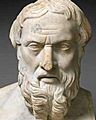 | Ει εθέλοι κατεσπουδάσθαι αιεί μηδέ ες παιγνίην το μέρος εωυτόν ανιέναι, λάθοι αν ήτοι μανείς ή ό γε απόπληκτος γενόμενος. If a man insisted always on being serious, and never allowed himself a bit of fun and relaxation, he would go mad or become unstable without knowing it. — Herodotus, 480-420 BC, Ancient Greek historian, the “ father of History” | | Ου το ζην περί πλείστου ποιητέον, αλλά το ευ ζην. One should not value living with many possessions, but living well. — Plato, 427-347 BC, Ancient Greek philosopher | | Ζώμεν αλογίστως προσδοκούντες μη θανείν. We live recklessly, expecting not to die. — Menander, 4th cent. BC, Ancient Greek dramatist (New Comedy) | | Ου το ζην περί πλείστου ποιητέον, αλλά το ευ ζην. What is valuable is not to live for more, but to live well. — Plato, 427-347 BC, Ancient Greek philosopher | | | |
|
| Opinion | | Ότι παν υπόληψις. Remember that all is opinion. — Marcus Aurelius, 121-180 AD, Roman Emperor ‐ Meditations II,15 | 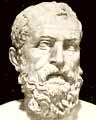 | Έργμασιν εν μεγάλοις, πάσιν αδείν χαλεπόν. In big projects it is difficult to please everyone. — Solon, 630-560 BC, Ancient Greek lawmaker & philosopher | | Τα ανθρώπων δοξάσματα παίδων αθύρματα. The opinions of men are toys for boys. — Heraclitus, 544-484 BC, Ancient Greek philosopher | | Ου πάνυ ημίν ούτω φροντιστέον τι ερούσιν οι πολλοί ημάς, αλλ’ ό,τι ο επαΐων περί των δικαίων και αδίκων. We should not care much about what the many say about us, but what the one who knows about right and wrong says. — Plato, 427-347 BC, Ancient Greek philosopher | | | |
|
|
| Illusions | | Ο κόσμος αλλοίωσις, ο βίος υπόληψις. World is decay, life is perception. — Democritus, 470-370 BC, Ancient Greek philosopher (quoted by Marcus Aurelius in “Τα εις εαυτόν”) | 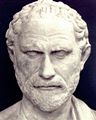 | Ράστον απάντων εστίν αυτόν εξαπατήσαι. Ό γαρ βούλεται, τούθ’ έκαστος και οιείται. Nothing is easier than self-deceit. For what a man wishes to be true, he generally believes to be true. — Demosthenes, 384-322 BC, Ancient Athenian & statesman orator | | Υπὸ γαρ λόγων ο νους τε μετεωρίζεται επαίρεταί τ᾽ άνθρωπος. Words give wings to the mind and make a man soar to heaven. — Aristophanes, 445-386 BC, Ancient Greek comic playwright ‐ Birds | | Τυφλούται ο φιλών περί το φιλούμενον. The one who loves becomes blind regarding the beloved. — Plato, 427-347 BC, Ancient Greek philosopher | | | |
|
|
|
|
| Forgetting | | Εγγύς μεν η ση περί πάντων λήθη, εγγύς δε η πάντων περί σου λήθη. Soon, you will forget everything, and soon everybody will forget you. — Marcus Aurelius, 121-180 AD, Roman Emperor ‐ Meditations VII, 21 | | | |
|
|
| Laughter |  | Γελά ο μωρός καν τι μη γελοίον ή. A fool laughs even when there is nothing funny. — Pittacus of Mytilene, 650-570 BC, one of the 7 sages of Ancient Greece | | Γέλως μη πολύς έστω, μηδέ επί πολλοίς, μηδέ ανειμένος. Don't laugh too much, neither with many things, nor too loud. — Epictetus, 50-120 AD, Ancient Greek Stoic philosopher | | Γέλως άκαιρος εν βροτοίς δεινόν κακόν. Untimely laughter creates is bad luck for mortals. — Menander, 4th cent. BC, Ancient Greek dramatist (New Comedy) | | | |
|
|
|
|
| Beauty | | Γυναιξί πάσαις κόσμον η σιγή φέρει. For all women silence is beauty. — Menander, 4th cent. BC, Ancient Greek dramatist (New Comedy) | | Αιδώς του κάλλους ακρόπολις. Shyness is the citadel of beauty. — Menander, 4th cent. BC, Ancient Greek dramatist (New Comedy) | | Το κάλλος παντός επιστολίου συστατικώτερον. Beauty is better than any recommendation letter. — Aristotle, 384-322 BC, Ancient Greek philosopher | | Ου το κάλλος, ω γύναι, αλλ’ αρεταί τέρπουσι τους ξυνευνέτας. It’s not beauty but character that pleases husbands. — Euripides, 480-406 BC, Ancient Greek tragedian ‐ Andromache | | Ου γαρ ες κάλλος τύχας ο δαίμων δίδωσι. Your god does not give good luck to beauty. — Euripides, 480-406 BC, Ancient Greek tragedian ‐ Trojan Women | | Κάλλος περιμάχητον μεν, αλλ’ ολιγοχρόνιον. Beauty is sought with passion, yet short-lived. — Plutarch, 47-120 AD, Ancient Greek historian | | | |
|
|
| Health | | Υγεία και νους εσθλά τω βίω δύο. Health and intellect are the two blessings of life. — Menander, 4th cent. BC, Ancient Greek dramatist (New Comedy) | | Τις ευδαίμων; Ο το μεν σώμα υγιής, την δε ψυχήν εύπορος, την δε φύσιν ευπαίδευτος. Who is happy? This is a person, who has a healthy body, is dowered with peace of mind and cultivates his talents. — Thales of Miletus, 643-548 BC, Ancient Greek philosopher |  | Υγιείας... νόσος γαρ γείτων ομότοιχος. Sickness and health are neighbors with a common wall. — Aeschylus, 525-456 BC, Ancient Greek tragedian ‐ Agamemnon | | Υγιεία τίμιον αλλ' ευμετάστατον. Health is precious but volatile. — Plutarch, 47-120 AD, Ancient Greek historian | | | |
|
|
|
| Luck & Chance | | Ως ηδύ το ζην μη φθονούσης της τύχης. How sweet is life when fortune is not envious. — Menander, 4th cent. BC, Ancient Greek dramatist (New Comedy) |  | Τοις τολμώσιν η τύχη ξύμφορος. Fortune favors the bold — Thucydides, 460-394 BC, Ancient Greek historian | | Θνητών όλβιος εις το τέλος ουδείς. No mortal is fortunate to the end. — Euripides, 480-406 BC, Ancient Greek tragedian ‐ Iphigeneia at Aulis |  | Ου τοις αθύμοις η τύχη ξυλλαμβάνει. Fortune never helps the fainthearted. — Sophocles, 496-406 BC, Ancient tragic poet |  | Τύχη μη πίστευε. Do not trust good luck. — Chilon of Sparta, 6th cent. BC, one of the 7 sages of Ancient Greece | | Θεού θέλοντος καν επί ριπός πλέοις. If god wills, you can sail even on a mat. — Ancient Greek phrase | | Τόλμα πρήξιος αρχή, τύχη δε τέλεος κυρίη. Boldness is the beginning of action. But fortune controls how it ends. — Democritus, 470-370 BC, Ancient Greek philosopher | | Θέλω τύχης σταλαγμόν ή φρενών πίθον. I want either a drop of luck or a bucket of brains. — Menander, 4th cent. BC, Ancient Greek dramatist (New Comedy) |  | Τέχνη τύχην έστερξε και τύχη τέχνην. Art favored luck and luck favored art. — Agathon, 450-400 BC, Ancient Greek tragic poet | | Άνθρωποι τύχης είδωλον επλάσαντο, πρόφασιν ιδίης αβουλίης. Men have made an idol of Fortune as an excuse for their own lack of willpower. — Democritus, 470-370 BC, Ancient Greek philosopher | | Τον ατυχή και πρόβατον δάκνει. The unlucky man will be bitten even by a sheep. — Aesop, 620-560 BC, Ancient Greek fabulist | | Μηδέν της τύχης, αλλά πάντα της ευβουλίας και της προνοίας. Nothing depends on luck, but all on good judgment and diligence. — Plutarch, 47-120 AD, Ancient Greek historian | | Ουκ έστιν όστις την τύχην ου μέμφεται. There is no man who does not blame his luck. — Menander, 4th cent. BC, Ancient Greek dramatist (New Comedy) |  | Τοις θεοίς τίθει τα πάντα. Leave everything to the will of the gods. — Archilochus, 725-650 BC, Ancient Greek lyric poet | | Στρέφει δε πάντα τα εν βίω μικρά τύχη. A little luck changes everything in life. — Menander, 4th cent. BC, Ancient Greek dramatist (New Comedy) | | Θεός συνεργός, πάντα ποιεί ραδίως. When God helps you, he makes everything easy. — Menander, 4th cent. BC, Ancient Greek dramatist (New Comedy) | | Ουδείς γαρ πάντα έστι πανόλβιος. No one is lucky in everything. — Theognis of Megara, 6th cent. BC, Ancient Greek poet | | | |
|
| Destiny | | Ήθος ανθρώπω δαίμων. Character is destiny. — Heraclitus, 544-484 BC, Ancient Greek philosopher | | Το πεπρωμένον φυγείν αδύνατον. One cannot evade destiny. — Ancient Greek proverb | | Την ειμαρμένην ουδ’ αν είς εκφύγοι. Nobody can escape destiny. — Plato, 427-347 BC, Ancient Greek philosopher | | Μόνως φιλείν το εαυτώ συμβαίνον και συγκλωθόμενον. Τι γαρ αρμοδιώτερον; Love that only which happens to you and is spun with the thread of your destiny. For what is more suitable? — Marcus Aurelius, 121-180 AD, Roman Emperor ‐ Meditations VII, 58 | | Ουδείς δε θνητών ταις τύχαις ακήρατος. There is not a man alive who has wholly escaped misfortune. — Euripides, 480-406 BC, Ancient Greek tragedian ‐ Heracles | | Ημίν δ’ ου βιαστέον τύχην. It is not for us to force the will of fortune. — Euripides, 480-406 BC, Ancient Greek tragedian ‐ Rhesus |  | Θανέειν πέπρωται άπασι. It is destined for all to die. — Pythagoras, 580-490 BC, Ancient Greek philosopher | | | |
|
|
|
|
|
| Astonishment | 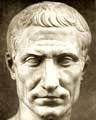 | Και συ, τέκνον Βρούτε; And you, son Brutus? — Julius Caesar, 100-44 BC, Roman general & Consul (his last words, spoken in Greek) |  | Ποίον σε έπος φύγεν έρκος οδόντων; What is this word that broke through the fence of your teeth? — Homer, c. 800-750 BC, Ancient Greek Poet ‐ Iliad IV | | Άνω ποταμών ιερών χωρούσι παγαί, και δίκα και πάντα πάλιν στρέφεται. Backward to their sources flow the streams of holy rivers, and the order of things is reversed. — Euripides, 480-406 BC, Ancient Greek tragedian ‐ Medea | | Μηδέν θαυμάζειν. Be astonished at nothing — Pythagoras, 580-490 BC, Ancient Greek philosopher | | | |
|
| Disappointment | | Άτακτα, αδιόρθωτα, αόρισθ’ άπαντα. Everything is ill-arranged, ill-managed, ill-defined. — Demosthenes, 384-322 BC, Ancient Athenian & statesman orator | | Ώδινεν όρος και έτεκεν μυν. The mountain labors and gives birth to a mouse. — Aesop, 620-560 BC, Ancient Greek fabulist |  | Και απείρων όντων των κόσμων, μηδενός εγώ κεκράτηκα. And of the infinite worlds, I have conquered none. — Alexander the Great, 356-323 BC, King of Macedon | | | |
|
| Sorrow | | Παλαιά καινοίς δακρύοις ου χρη στένειν. Waste no fresh tears over old griefs. — Euripides, 480-406 BC, Ancient Greek tragedian (Alexandros) | | Αλλ’ ηδύ τι σωθέντα μεμνήσθαι πόνων. Sweet is the memory of the sorrows past. — Euripides, 480-406 BC, Ancient Greek tragedian ‐ Andromeda | | Ου πενία λύπην εργάζεται, αλλά επιθυμία. Sorrow is not the result of poverty, but of desire. — Epictetus, 50-120 AD, Ancient Greek Stoic philosopher | | Μόχθων δ’ ουκ άλλος ύπερθεν ή γας πατρίας στέρεσθαι. There is no greater grief that the loss of one’s fatherland. — Euripides, 480-406 BC, Ancient Greek tragedian ‐ Medea | | | |
|
|
|
|
| Fear | 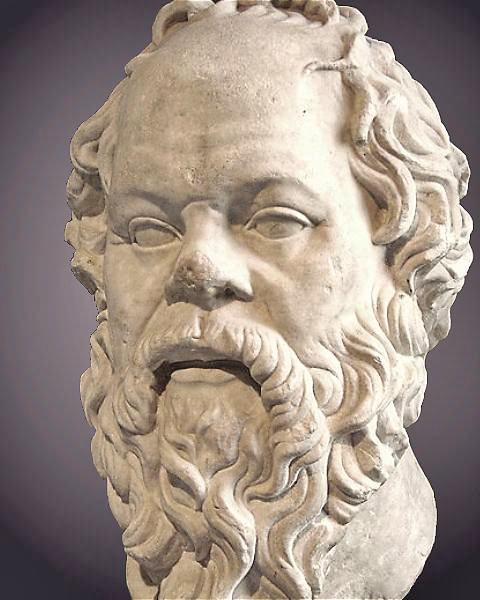 | Αι μεν βρονταί τους παίδας, αι δε απειλαί τους άφρονας καταπλήττουσι. Kids are afraid of thunders and idiots are afraid of threats. — Socrates, 469-399 BC, Ancient Geek Philosopher | | Ουδείς γαρ όν φοβείται φιλεί. No one likes one whom he fears. — Aristotle, 384-322 BC, Ancient Greek philosopher | | Φόβος κολακείην μεν εργάζεται, εύνοιαν δε ουκ έχει. Fear uses flattery without getting any favors. — Democritus, 470-370 BC, Ancient Greek philosopher | | Έσθ’ όπου το δεινόν εύ. Sometimes fear is a good thing. — Aeschylus, 525-456 BC, Ancient Greek tragedian ‐ Eumenides | | Βίος βίου δεόμενος ουκ έστιν βίος. A life that is afraid of life is not a life. — Menander, 4th cent. BC, Ancient Greek dramatist (New Comedy) | | Βέλτιον θανείν άπαξ ή διά βίου τρέμειν. It is better to die once than to than to tremble with fear all your life. — Aesop, 620-560 BC, Ancient Greek fabulist | | | |
|
|
| Shame | | Γλαυκοίσιν οφθαλμοίσιν αιδώς ουκ ένι. There is no shame in light blue eyes. — Aesop, 620-560 BC, Ancient Greek fabulist | | Δις προς τον αυτόν αισχρόν προσκρούσαι λίθον. It’s a shame to stumble on the same rock twice. — Menander, 4th cent. BC, Ancient Greek dramatist (New Comedy) | | Πας ερυθριών χρηστός είναι μοι δοκεί. Anybody who blushes is a good man, me thinks. — Menander, 4th cent. BC, Ancient Greek dramatist (New Comedy) | | Αίσχιον δε έχοντας αφαιρεθήναι ή κτωμένους ατυχήσαι. It is a much greater shame to lose something than to fail to get it. — Thucydides, 460-394 BC, Ancient Greek historian |  | Αισχρόν το γ’ αισχρόν, καν δοκή καν μη δοκή. The shameful is always shameful, whether it appears so or not. — Antisthenes, 445-360 BC, Ancient Greek Cynic philosopher | | | |
|
|
|
| Regret | | Μόνη σιγή μεταμέλειαν ου φέρει. Silence alone is not an apology. — Menander, 4th cent. BC, Ancient Greek dramatist (New Comedy) | | Προβουλεύεσθαι κρείσσον προ των πράξεων ή μετανοείν. It is better to think before doing something than to repent later. — Democritus, 470-370 BC, Ancient Greek philosopher | | Ουκ ωνούμαι μυρίων δραχμών μεταμέλειαν. I will not buy regret for ten thousand drachmas. — Demosthenes, 384-322 BC, Ancient Athenian & statesman orator (to the courtesan Lais) | | Το πολλά πράττειν πολλάς και λύπας έχει. Doing many things brings many regrets. — Menander, 4th cent. BC, Ancient Greek dramatist (New Comedy) | | Ου μετανοείν, αλλά προνοείν χρη τον άνδρα τον σοφόν. The wise man should not regret but think ahead. — Epicharmus of Kos, 530-440 BC, Ancient Greek poet | | | |
|
| Value | | Εις ευ φρονών μυρίων μη φρονούντων κρείττων εστί. One who thinks right is better than myriads who think wrong. — Plato, 427-347 BC, Ancient Greek philosopher | | Τω κρατίστω. To the strongest! — Alexander the Great, 356-323 BC, King of Macedon (about who he thought was worthy enough to succeed him) | | Αετού γήρας κορύδου νεότης. The old age of the eagle is the youth of the skylark. — Ancient Greek phrase | | Της μεν κακής κάκιον ουδέν γίγνεται γυναικός, εσθλής δ’ ουδέν εις υπερβολήν πέφυκ’ άμεινον. Nothing is worse than a truly bad woman, and nothing better than a truly good one. — Euripides, 480-406 BC, Ancient Greek tragedian ‐ Melanippe |  | Αρετής προπάροιθε ιδρώτα θεοί αθάνατοι θήκαν. The gods have placed sweat before value. — Hesiod, 7th cent. BC, Ancient Greek poet ‐ Works and Days -289 | | Έσω βλέπε· μηδενός πράγματος μήτε η ιδία ποιότης μήτε η αξία παρατρεχέτω σε. Look beneath the surface; let not the inherent quality of a thing nor its worth escape you. — Marcus Aurelius, 121-180 AD, Roman Emperor ‐ Meditations VI, 3 | | Δόκιμος ανήρ και αδόκιμος ουκ εξ ών πράσσει μόνον, αλλά και εξ ών βούλεται. We can tell the worthy and the unworthy not only from what they are doing but also from what they are thinking. — Democritus, 470-370 BC, Ancient Greek philosopher | | Τοσούτου άξιος έκαστός εστιν, όσου άξιά εστι ταύτα περί ά εσπούδακεν. Every man is worth just so much as the things are worth about which he busies himself. — Marcus Aurelius, 121-180 AD, Roman Emperor ‐ Meditations VII, 3 |  | Ο ήλιος εις τους αποπάτους, αλλ’ ου μιαίνεται. The sun shines even on latrines but is not defiled. — Diogenes, 410-323 BC, Ancient Greek Cynic philosopher | | | |
|
|
|
| Virtue | | Τον σοφόν ου κατά τους κειμένους νόμους πολιτεύσεσθαι, αλλά κατά τον της αρετής. The wise man would regulate his conduct as a citizen, not according to the established laws, but according to the law of virtue. — Antisthenes, 445-360 BC, Ancient Greek Cynic philosopher | | Πόλεμος γαρ σχολείον αρετής εστί. War is a school for virtue. — Aristotle, 384-322 BC, Ancient Greek philosopher | | Αγαθόν ου το μη αδικείν, αλλά το μηδέν θέλειν. Virtue consists not in avoiding wrong-doing, but in having no want for it. — Democritus, 470-370 BC, Ancient Greek philosopher |  | Αι μεν ηδοναί θνηταί αι δε αρεταί αθάνατοι. Pleasures are mortal while the virtues are immortal. — Periander of Corinth, 668-584 BC, tyrant of Corinth | | Αρετής οικείον, κακίας αλλότριον. Virtue is close to us, vice is a stranger. — Cleobulus, 6th cent. BC, Ancient Greek Poet, one of the 7 sages | | Της τελείας αρετής είδη τέτταρα: έν μεν φρόνησις, έν δε δικαιοσύνη, άλλο δ’ ανδρεία, ταέταρτον σωφροσύνη. There are four properties of the perfect virtue: wisdom, justice, courage, and prudence. — Plato, 427-347 BC, Ancient Greek philosopher | | | |
|
|
| Abstinence | | Ουδείς ελεύθερος εαυτού μη κρατών. No one is free if he cannot subdue himself. — Epictetus, 50-120 AD, Ancient Greek Stoic philosopher | | Αφεκτέα τοίνυν εστίν ημίν του πέους. So, we must refrain from the penis. — Aristophanes, 445-386 BC, Ancient Greek comic playwright ‐ Lysistrata | | Ηδονήν φεύγε, ήτις λύπην τίκτει. Avoid a pleasure which brings sorrow. — Solon, 630-560 BC, Ancient Greek lawmaker & philosopher |  | Κρατεί ηδονής ουχ’ ο απεχόμενος, αλλ’ ο χρώμενος μεν, μη προεκφερόμενος δε. The continent man is not he who avoids pleasure, but having tasted it, is not carried to excess. — Aristippus, 435-355 BC, Ancient Greek philosopher | | Ανέχου και απέχου. Have patience and abstinence. — Epictetus, 50-120 AD, Ancient Greek Stoic philosopher |  | Γλώσσης, γαστρός, αιδοίων κρατείν. Control your tongue, your stomach, your genitals. — Anacharsis, 6th cent. BC, Scythian prince & philosopher | | Κυάμων απέχεσθαι. Abstain from beans. — Pythagoras, 580-490 BC, Ancient Greek philosopher (meaning: Abstain from politics) | | | |
|
|
|
|
| Wisdom | | Αρχή Σοφίας ονομάτων επίσκεψις. The investigation of the meaning of words is the beginning of wisdom. — Antisthenes, 445-360 BC, Ancient Greek Cynic philosopher | | Χρήσιμ’ ειδώς ουχ ο πολλά ειδώς σοφός. Wise is he who knows useful things, not he who knows many things. — Aeschylus, 525-456 BC, Ancient Greek tragedian | | Πολλών δ’ ανθρώπων ίδεν άστεα και νόον έγνων. Many cities of men he saw and learned their minds. — Homer, c. 800-750 BC, Ancient Greek Poet ‐ Odyssey I | | Eυ αν έχοι ... ει τοιούτον είη η σοφία ωστ᾽ εκ του πληρεστέρου εις το κενώτερον ρειν ημών… I only wish that wisdom were the kind of thing that flowed … from the vessel that was full to the one that was empty. — Plato, 427-347 BC, Ancient Greek philosopher | | Γίνεται δε εκ του φρονείν τρία ταύτα: βουλεύεσθαι καλώς, λέγειν αναμαρτήτως και πράττειν ά δει. From wisdom come these three: good thinking, speaking well and doing what is right. — Democritus, 470-370 BC, Ancient Greek philosopher | | Ιατρική μεν σώματος νόσους ακέεεται, σοφίη δε ψυχήν παθών αφαιρείται. Medicine heals the body and wisdom removes the suffering from the souls. — Democritus, 470-370 BC, Ancient Greek philosopher | | Σοφόν λέγουσι τον χρόνον πεφυκέναι. They say that time is by nature wise. — Agathon, 450-400 BC, Ancient Greek tragic poet | | Σοφία μόνον κτημάτων αθάνατον. Of all our possessions, wisdom alone is immortal. — Isocrates, 436-338 BC, Ancient Greek rhetorician | | Σοφού προς ανδρός όστις εν βραχεί πολλούς καλώς οίος τε συντέμνειν λόγους. That man is wise who can say what he wants in a minimum of words. — Aristophanes, 445-386 BC, Ancient Greek comic playwright ‐ Thesmophoriazusae | | Σκαιοίσι πολλοίς είς σοφός διόλλυται. Among the rude, the wise man goes unnoticed. — Sophocles, 496-406 BC, Ancient tragic poet | | | |
|
| Understanding | | Σοφόν το σαφές. Wisdom lies in clarity. — Euripides, 480-406 BC, Ancient Greek tragedian ‐ Orestes | | Τα αφανή τοις φανεροίς τεκμαίρου. Analyze the unknown based on the known. — Solon, 630-560 BC, Ancient Greek lawmaker & philosopher | | Πρόσεχε τω υποκειμένω ή τη ενεργεία ή τω δόγματι ή τω σημαινομένω. Focus on the essence of a thing, whether it be through actions or motives or appearances. — Marcus Aurelius, 121-180 AD, Roman Emperor ‐ Meditations VII, 22 ((Hannibal Lecter paraphrased this…)) | | Ανήρ έννους τα καινά τοις πάλαι τεκμαίρεται. The wise man understands the new things based on the old things. — Sophocles, 496-406 BC, Ancient tragic poet | | | |
|
| Courage | | Τοις τολμώσιν η τύχη ξύμφορος. Fortune favors the bold — Thucydides, 460-394 BC, Ancient Greek historian | | Θαρσείν χρη, τάχ’ αύριον έσσετ’ άμεινον. Eλπίδες εν ζωοίσιν, ανέλπιστοι δε θανόντες. You need to have courage, because tomorrow will be better. While there's life there’s hope, and only the dead have none. — Theocritus, 3rd cent. BC, Ancient Greek poet | | Θαρσαλέος ανήρ εν πάσιν αμείνων. The courageous man is the best in everything. — Homer, c. 800-750 BC, Ancient Greek Poet ‐ Odyssey VIII | | Ανδρείη τας άτας μικράς έρδει. Courage makes misfortunes seem small. — Democritus, 470-370 BC, Ancient Greek philosopher | | Πάντες τοις λόγοις αναπτερούνται. By words everybody is winged. — Aristophanes, 445-386 BC, Ancient Greek comic playwright | | | |
|
|
| Positive thinking | | Μόνως φιλείν το εαυτώ συμβαίνον και συγκλωθόμενον. Τι γαρ αρμοδιώτερον; Love that only which happens to you and is spun with the thread of your destiny. For what is more suitable? — Marcus Aurelius, 121-180 AD, Roman Emperor ‐ Meditations VII, 58 | | Ευγνώμων ο μη λυπεόμενος εφ’ οίσιν ουκ έχει, αλλά χαίρων εφ’ οίσιν έχει. He is a sensible man who does not grieve for what he has not, but enjoys what he has. — Democritus, 470-370 BC, Ancient Greek philosopher | | Στέργε μεν τα παρόντα, ζήτει δε τα βελτίω. Like the present things, look for the better. — Isocrates, 436-338 BC, Ancient Greek rhetorician | | | |
|
| Self-reliance | | Κατά τον δαίμονα εαυτού. True to his own spirit. — Inscription, in Greek, on Jim Morrison’s tombstone in Paris | | Ορθόν ουν είναι χρη, ουχί ορθούμενον. A man should be upright, not kept upright. — Marcus Aurelius, 121-180 AD, Roman Emperor ‐ Meditations III, 5 | | Ων έχεις αυτός κράτει. Rule yourself what is your own. — Aeschylus, 525-456 BC, Ancient Greek tragedian ‐ Eumenides | | Δίχα δ’ άλλων μονόφρων ειμί. I hold my own mind and think apart from other men. — Aeschylus, 525-456 BC, Ancient Greek tragedian ‐ Agamemnon | | Ξενιτείη βίου αυτάρκειαν διδάσκει. Migrating and living in a foreign land teaches self sufficiency. — Democritus, 470-370 BC, Ancient Greek philosopher | | Φαγέτω με η ιδία φθείρ και μη η αλλοτρία. Let my own louse eat me and not someone else’s. — Aesop, 620-560 BC, Ancient Greek fabulist | | | |
|
| Bravery |  | Μολών λαβέ. Come and get them [the arms]. — Leonidas, King of Sparta (at Thermopylae, 480 BC) | | Ευκλεώς τοι κατθανείν χάρις βροτώ. Surely to die with glory is a blessing for the mortals. — Aeschylus, 525-456 BC, Ancient Greek tragedian ‐ Agamemnon | | Ανδρών επιφανών πάσα η γη τάφος. Great men have the whole earth for their tomb. — Thucydides, 460-394 BC, Ancient Greek historian (in Pericles' Funeral Oration) | | Ώλετο μεν μοι νόστος, ατάρ κλέος άφθιτον έστα. My return home is lost, but my glory will never die. — Homer, c. 800-750 BC, Ancient Greek Poet ‐ Iliad IX | | Το εύδαιμον το ελεύθερον, το δ’ ελεύθερον το εύψυχον. The happy are the free, and the free are the brave. — Thucydides, 460-394 BC, Ancient Greek historian | | Τους πόνους γαρ αγαθοί τολμώσι, δειλοί δ’ εισίν ουδέν ουδαμού. The brave will dare the effort [of war], cowards are nothing nowhere. — Euripides, 480-406 BC, Ancient Greek tragedian ‐ Iphigeneia in Tauris | | Πλειν ανάγκη, ζην ουκ ανάγκη. It is necessary to sail, it is not necessary to live. — Plutarch, 47-120 AD, Ancient Greek historian ‐ Πομπήιος (general Pompey to sailors who did not want to sail because of a storm) |  | Ουκ αν είη ατείχιστος πόλις άτις άνδρεσσι, και ου πλίνθοις εστεφάνωται. A city cannot be considered unwalled if it is crowned with men and not with bricks. — Lycurgus, c. 800 BC, King of Sparta & lawmaker | | Το εύδαιμον το ελεύθερον, το δ’ ελεύθερον το εύψυχον. True happiness is found in freedom, and true freedom in bravery. — Thucydides, 460-394 BC, Ancient Greek historian |  | Ω ξειν’ αγγέλλειν Λακεδαιμονίοις ότι τήδε κείμεθα τοις κείνων ρήμασι πειθόμενοι. Tell them in Lacedaimon, stranger
That here, obedient to their word, we lie. — Simonides of Ceos, 556-468 BC, Ancient poet & author of epigrams ( epitaph on a commemorative stone on top of the burial mound of the 300 Spartans at Thermopylae) | | | |
|
|
| Self-knowledge | | Δύσκολον τον εαυτόν γνώναι, εύκολον τω άλλω υποτίθεσθαι. It is difficult to know yourself; it is easy to give advice to others. — Thales of Miletus, 643-548 BC, Ancient Greek philosopher | | Γνώθι σαυτόν. Know thyself. — Ancient Greek phrase (attributed to several ancient Greek sages, inscribed in the Temple of Apollo at Delphi) | | Ένδον σκάπτε, ένδον η πηγή του αγαθού και αεί αναβλύειν δυναμένη, εάν αεί σκάπτεις. Look within. Within is the fountain of the good, and it will ever bubble up, if you wilt ever dig. — Marcus Aurelius, 121-180 AD, Roman Emperor ‐ Meditations VII, 59 | | Εδιζησάμην εμεωυτόν. I searched for myself. — Heraclitus, 544-484 BC, Ancient Greek philosopher |  | Γένοι’ οίος εσσί μαθών. Be what you know you are. — Pindar, 522-438 BC, Ancient Greek lyric poet | | Ω δύσποτμ’, είθε μήποτε γνοίης ός εί. O wretched man, may you never know who you are. — Sophocles, 496-406 BC, Ancient tragic poet | | Φρονήσης μεν μηδέποτε επί σεαυτώ μέγα, αλλά μηδέ καταφρονήσης σεαυτού. Never think highly of yourself, but also never despise yourself. — Isocrates, 436-338 BC, Ancient Greek rhetorician | | | |
|
| Honesty | | Δει τον αγαθόν άνδρα παυόμενον της αρχής μη πλουσιώτερον, αλλά μάλλον ενδοξότερον γεγονέναι. When a good man steps down from power, he shouldn’t have become more rich, but more honored. — Bias of Priene, 625-540 BC, one of the 7 sages of Ancient Greece | | Ανήρ δίκαιος πλούτον ουκ έχει ποτέ. A fair man never becomes rich. — Menander, 4th cent. BC, Ancient Greek dramatist (New Comedy) | | Καλοκαγαθίαν όρκου πιστοτέραν έχε. Put more trust in integrity of character than in an oath. — Solon, 630-560 BC, Ancient Greek lawmaker & philosopher | | Πολλοί τοι πλουτούσι κακοί, αγαθοί δε πένονται. Αλλ᾽ ημείς τούτοις ού διαμειψόμεθα της αρετής τον πλούτον. For often evil men are rich, and good men poor. But we will not exchange with them our virtue for their wealth. — Solon, 630-560 BC, Ancient Greek lawmaker & philosopher | | Αεί κράτιστον εστί τα αληθή λέγειν εν παντί καιρώ. It is always better to tell the truth at every opportunity — Menander, 4th cent. BC, Ancient Greek dramatist (New Comedy) | | Αγαθόν ή είναι χρεών ή μιμείσθαι. You should be either honest or pretend to be. — Democritus, 470-370 BC, Ancient Greek philosopher | | Μη κακά κερδαίνειν: κακά κέρδεα ισ᾽ αάτησιν. Do not seek evil gains; evil gains are the equivalent of disaster. — Hesiod, 7th cent. BC, Ancient Greek poet ‐ Works and Days -352 | | Χρήματα δ᾽ ουχ αρπακτά. Θεόσδοτα πολλόν αμείνω. Wealth should not be seized; god-given wealth is much better. — Hesiod, 7th cent. BC, Ancient Greek poet ‐ Works and Days -320 | | | |
|
| Kindness | | Αγαθώ περί ουδενός εγγίγνεται φθόνος ούτε φόβος ούτε οργή ή μίσος. The good man has no envy for anyone, neither fear nor anger or hatred. — Plato, 427-347 BC, Ancient Greek philosopher | | Ου συνέχθειν αλλά συμφιλείν έφυν. It is not my nature to hate but to love. — Sophocles, 496-406 BC, Ancient tragic poet ‐ Antigone | | Ως τα χρηστά πράγματα χρηστών αφορμάς ενδίδωσ’ αεί λόγων How true is that a good cause always gives an opportunity for good words! — Euripides, 480-406 BC, Ancient Greek tragedian ‐ Hecuba | | Ά πάσχοντες υφ’ ετέρων οργίζεσθε, ταύτα τοις άλλοις μη ποιείτε. What thou thyself hatest, do to no man. — Isocrates, 436-338 BC, Ancient Greek rhetorician | | Αγάπα τον πλησίον σου μικρά ελαττούμενος. Love your neighbor even if it means diminishing yourself a little. — Pittacus of Mytilene, 650-570 BC, one of the 7 sages of Ancient Greece | | | |
|
|
| Humility | | Όντας δε θνητούς θνητά και φρονείν χρεών. As mortals we should behave as mortals. — Euripides, 480-406 BC, Ancient Greek tragedian ‐ Alcestis |  | Λάθε βιώσας. Live in obscurity. — Epicurus, 341-270 BC, Ancient Greek philosopher | | Ό,τι αν αγαθόν πράσσης, θεούς, μη σεαυτόν αιτιώ. For whatever good you do, praise the gods not yourself. — Bias of Priene, 625-540 BC, one of the 7 sages of Ancient Greece |  | Κακή γαρ αιδώς ένθα ταναιδές κρατεί. Modesty is bad where impudence prevails. — Diphilos, 4th/3rd cent. BC, Ancient Greek comedian | | | |
|
| Frugality | | Εν ολιγίστοις κείται το ευδαιμόνως βιώσαι. Happiness in life depends on very few things. — Marcus Aurelius, 121-180 AD, Roman Emperor ‐ Meditations VII, 67 | | Ευγνώμων ο μη λυπεόμενος εφ’ οίσιν ουκ έχει, αλλά χαίρων εφ’ οίσιν έχει. He is a sensible man who does not grieve for what he has not, but enjoys what he has. — Democritus, 470-370 BC, Ancient Greek philosopher | | Ην μη πολλών επιθυμέης τα ολίγα τοι πολλά δόξει. If you do not want many things, the few will seem many. — Democritus, 470-370 BC, Ancient Greek philosopher | | Έλπιζε ως θνητός, φείδου ως αθάνατος. Hope as a mortal, be frugal as an immortal. — Periander of Corinth, 668-584 BC, tyrant of Corinth | | | |
|
|
| Prudence | | Πατρός σωφροσύνη μέγιστον τέκνοις παράγγελμα. The prudence of the father is the greatest commandment for the children. — Democritus, 470-370 BC, Ancient Greek philosopher | | Ομιλείν δυνάστῃ ως ήκιστα ή ως ήδιστα. Speak to a tyrant as little as possible or as pleasantly as possible. — Aesop, 620-560 BC, Ancient Greek fabulist | | Η γλώσσα σου μη προτρεχέτω του νου. Do not let your tongue outrun your mind. — Chilon of Sparta, 6th cent. BC, one of the 7 sages of Ancient Greece | | Τοσούτω διαφέρει η φρόνησις των άλλων αρετών, όσω η όρασις των άλλων αισθήσεων. Prudence is different from the other virtues as much as vision is different from the other senses. — Solon, 630-560 BC, Ancient Greek lawmaker & philosopher | | Ταμιείον εστί αρετής η σωφροσύνη. Prudence is a depository of virtue. — Menander, 4th cent. BC, Ancient Greek dramatist (New Comedy) | | Σώφρονος ανδρός έχθραν φυλάττεσθαι και οργήν. The prudent stay away from hatred and anger. — Plutarch, 47-120 AD, Ancient Greek historian | | Το δε σώφρον του ανάνδρου πρόσχημα. Prudence is the coward's pretext. — Thucydides, 460-394 BC, Ancient Greek historian | | Ουκ αεί θέρος εσσείται, ποιείσθε καλιάς. It will not always be summer, build barns. — Hesiod, 7th cent. BC, Ancient Greek poet ‐ Works and Days -503 | | Ου μετανοείν, αλλά προνοείν χρη τον άνδρα τον σοφόν. The wise man should not regret but think ahead. — Epicharmus of Kos, 530-440 BC, Ancient Greek poet | | | |
|
| Simplicity | | Απλά γαρ εστι της αληθείας έπη. The words of the truth are simple. — Aeschylus, 525-456 BC, Ancient Greek tragedian ‐ Award of the Arms | | Απλούς ο μύθος της αληθείας έφυ. The words of truth are simple by nature. — Euripides, 480-406 BC, Ancient Greek tragedian ‐ Phoenician women | | Μήτε ακούσιος ενέργει μήτε ακοινώνητος μήτε ανεξέταστος μήτε ανθελκόμενος. Μήτε κομψεία την διάνοιάν σου καλλωπιζέτω, μήτε πολυρρήμων μήτε πολυπράγμων έσο. Be not unwilling in what you do, neither selfish nor unadvised nor obstinate; let not over-refinement deck out your thought; be not wordy nor a busybody. — Marcus Aurelius, 121-180 AD, Roman Emperor ‐ Meditations III, 5 | | Φιλοκαλούμεν γαρ μετ’ ευτελείας και φιλοσοφούμεν άνευ μαλακίας. We love beauty with simplicity and we philosophize without softness. — Thucydides, 460-394 BC, Ancient Greek historian (in Pericles' Funeral Oration) | | | |
|
|
|
| Resilience | | Η βιωτική τη παλαιστική ομοιοτέρα ήπερ τῃ ορχηστική κατά το προς τα εμπίπτοντα και ου προεγνωσμένα έτοιμος και απτώς εστάναι. The art of life is more like the wrestler's art than the dancer's, in respect of this, that it should stand ready and firm to meet onsets which are sudden and unexpected. — Marcus Aurelius, 121-180 AD, Roman Emperor ‐ Meditations VII, 61 | | Τας μεταβολάς της τύχης γενναίως επίστασο φέρειν. Learn to bear bravely the changes of fortune. — Periander of Corinth, 668-584 BC, tyrant of Corinth | | Δει καρτερείν επί τοις παρούσι και θαρρείν περί των μελλόντων. We should be patient in the present situation and have courage for the future. — Isocrates, 436-338 BC, Ancient Greek rhetorician | | Άφοβον ο θεός, ανύποπτον ο θάνατος και το αγαθόν μεν εύκτητον, το δε δεινόν ευκαρτέρητον. God is not to be feared, death is not to be expected and what is good is easy to get and what is terrible is easy to endure. — Epicurus, 341-270 BC, Ancient Greek philosopher | | Πώς αν τις ατυχίαν ράστα φέροι;
Eι τους εχθροὺς χείρον πράσσοντας βλέποι.How might one bear misfortune? To see your enemy doing even worse. — Thales of Miletus, 643-548 BC, Ancient Greek philosopher | | Οι εκούσιοι πόνοι την των ακουσίων υπομονήν ελαφροτέραν παρασκευάζουσι. Efforts performed willingly give patience to endure what happens unwillingly. — Democritus, 470-370 BC, Ancient Greek philosopher | | Δει φέρειν τα των θεών. We have to endure what the gods send. — Euripides, 480-406 BC, Ancient Greek tragedian ‐ Phoenissae | | Ατυχή είναι τον ατυχίαν μη φέροντα. It is misfortune not to be able to bear misfortune. — Bias of Priene, 625-540 BC, one of the 7 sages of Ancient Greece | | Ουδέν ουδενί συμβαίνει, ό ου πέφυκε φέρειν. Nothing happens to anybody which he is not fitted by nature to bear. — Marcus Aurelius, 121-180 AD, Roman Emperor ‐ Meditations V, 18 | | Τω λογικώ ζώω μόνον αφόρητόν εστι το άλογον. Το δ’ εύλογον φορητόν. To the rational being only the irrational is unendurable, but the rational is endurable. — Epictetus, 50-120 AD, Ancient Greek Stoic philosopher | | Ανθρώποισι τας μεν εκ θεών τύχας δοθείσας έστ’ αναγκαίον φέρειν. Men must bear the fortunes that the gods have given them. — Sophocles, 496-406 BC, Ancient tragic poet | | | |
|
| Excellence | | Αιέν αριστεύειν. Ever to excel. — Homer, c. 800-750 BC, Ancient Greek Poet ‐ Iliad VI | | Πλείονες εξ ασκήσεως αγαθοί γίνονται ή από φύσεως. More men become good through practice than by nature. — Democritus, 470-370 BC, Ancient Greek philosopher | | Είς εμοί μύριοι, εάν άριστος εί. For me, one equals ten thousand if he is really good. — Heraclitus, 544-484 BC, Ancient Greek philosopher | | Ου γαρ δοκείν άριστος, αλλ’ είναι θέλει. His resolve is not to seem, but to be, the best. — Aeschylus, 525-456 BC, Ancient Greek tragedian ‐ Seven against Thebes | | Ουκ εν τω πολλώ το ευ, αλλ’ εν τω ευ το πολύ. Not in quantity is excellence, but in excellence is quantity. — Aristotle, 384-322 BC, Ancient Greek philosopher | | Πράττε μεγάλα μη υπισχνούμενος μεγάλα. Do great things without promising great things. — Pythagoras, 580-490 BC, Ancient Greek philosopher | | | |
|
| Greatness | | Είς, αλλά λέων. One, but a lion. — Aesop, 620-560 BC, Ancient Greek fabulist |  | Εξ όνυχος τον λέοντα. The lion from a single claw. — Alcaeus of Mytilene, 7th-6th cent. BC, Ancient Greek lyric poet (One can detect ability or judge someone from a small detail) | | Σμικρὸς εν σμικροίς, μέγας εν μεγάλοις έσομαι. Small among the small, I shall be great among the great. — Pindar, 522-438 BC, Ancient Greek lyric poet | | | |
|
| Laziness | | Αεργοίς αιέν εορτά. For the lazy it is always the holidays. — Theocritus, 3rd cent. BC, Ancient Greek poet | | Αργία μήτηρ πάσης κακίας. Idleness is the mother of all evils. — Solon, 630-560 BC, Ancient Greek lawmaker & philosopher | | Ημερήσιοι ύπνοι σώματος όχλησιν ή ψυχής αδημοσύνην ή αργίην ή απαιδευσίην σημαίνουσι. Daytime sleep indicates a distressed body or a troubled mind or laziness or lack of education. — Democritus, 470-370 BC, Ancient Greek philosopher | | Απορίαν γαρ δει βοηθείν, ουκ αργίαν εφοδιάζειν. We must help the poor, not encourage idleness. — Solon, 630-560 BC, Ancient Greek lawmaker & philosopher | | Έργον δ’ ουδέν όνειδος, αεργίη δε τ’ όνειδος. Work is no disgrace: it is idleness which is a disgrace. — Hesiod, 7th cent. BC, Ancient Greek poet ‐ Works and Days -311 | | Ουδείς ων ράθυμος ευκλεής ανήρ, άλλ’ οι πόνοι τίκτουσι την ευδοξίαν. No one who is slack gains a good reputation; it is hard work that leads to excellence. — Euripides, 480-406 BC, Ancient Greek tragedian ‐ Archelaos | | Αργός μη ίσθι μηδ’ αν πλουτής Don't be lazy, even if you're rich. — Pittacus of Mytilene, 650-570 BC, one of the 7 sages of Ancient Greece | | Σύκα φίλ’ ορνίθεσσι, φυτεύειν δ’ ουκ εθέλουσι. Birds love figs, but they don’t want to plant. — Athenaeus, 2nd-3rd cent. AD, Ancient Greek writer from Egypt | | Διογένης τον έρωτα είπε σχολαζόντων ασχολίαν. Diogenes said that love is the pastime of the idle. — Diogenes, 410-323 BC, Ancient Greek Cynic philosopher | | | |
|
|
|
| Ignorance | | Εν μόνον αγαθόν είναι, την επιστήμην, και εν μόνον κακόν, την αμαθίαν. There is only one good, knowledge, and one evil, ignorance. — Socrates, 469-399 BC, Ancient Geek Philosopher | | Εν οίδα ότι ουδέν οίδα. I know that I know nothing. — Socrates, 469-399 BC, Ancient Geek Philosopher ( the “Socratic paradox”; from a Latin quote which was a paraphrase of a Plato’s line and not a real saying by Socrates) | | Ετεή δε ουδέν ίδμεν. Εν βυθώ γαρ η αλήθεια. We know nothing for sure. Because the truth is hidden in the deep. — Democritus, 470-370 BC, Ancient Greek philosopher | | Αμαθία μεν θράσος, λογισμός δε όκνον φέρει. Ignorance is bold, knowledge is reserved. — Thucydides, 460-394 BC, Ancient Greek historian | | Το ουκ οίδα εις φυλακήν ου βάλλει. The “I don’t know” will not put me in prison. — Aesop, 620-560 BC, Ancient Greek fabulist | | Σοφία πάντων κάλλιστον, η δε αμάθεια πάντων κάκιστον. Wisdom is the best of all things, ignorance is the worst. — Plato, 427-347 BC, Ancient Greek philosopher |  | Αγεωμέτρητος μηδείς εισίτω. Let no one untrained in geometry enter. — Motto over the entrance to Plato's Academy | | Κρύπτειν αμαθίην κρέσσον, ή ες το μέσον φέρειν. It is better to conceal ignorance than to expose it. — Heraclitus, 544-484 BC, Ancient Greek philosopher | | Αμαρτίης αιτίη η αμαθίη του κρέσσονος. The cause of error is ignorance of what is better. — Democritus, 470-370 BC, Ancient Greek philosopher | | Ετεή μεν νυν ότι οίον έκαστον εστιν ή ουκ έστιν ου συνίεμεν. Now, we do not know really what is and what is not. — Democritus, 470-370 BC, Ancient Greek philosopher | | Δημόκριτος τους ευπρεπείς και απαιδεύτους ομοίους είπεν είναι αλαβάστρω γέμοντι όξος. Democritus said that the noble, uneducated people are like alabaster vases filled with vinegar. — Democritus, 470-370 BC, Ancient Greek philosopher | | Σφαλερόν εστι το αν μη οίδε τις ταύτα ή λέγειν ή πράττειν. It is wrong to say and do what you don't know. — Xenophon, 430-355 BC, Ancient Greek soldier & historian | | Το μη ειδέναι γαρ ηδονήν έχει τινά. Ignorance has some kind of sweetness. — Euripides, 480-406 BC, Ancient Greek tragedian ‐ Antiope | | Ουκ οίσθ’ ό,τι ζης, ουδ’ ό δρας, ουδ’ όστις εί. You know not why you live, or what you do, or who you are. — Euripides, 480-406 BC, Ancient Greek tragedian ‐ Bacchae | | Αμαθία τε μετά σωφροσύνης ωφελιμώτερον ή δεξιότης μετά ακολασίας. Ignorance with temperance is more beneficial than skill with immorality. — Thucydides, 460-394 BC, Ancient Greek historian | | | |
|
| Vanity | | Τον κόρον υπό του πλούτου γεννάσθαι, την δε ύβριν υπό του κόρου. Satiety comes of riches and hubris comes of satiety. — Solon, 630-560 BC, Ancient Greek lawmaker & philosopher | | Τους μεν κενούς ασκούς η πνοή διίστησι, τους δ’ ανοήτους, το οίημα. The empty sacs are inflated with air and the fools with conceit. — Socrates, 469-399 BC, Ancient Geek Philosopher | | Ζευς κολαστής των άγαν υπερφρόνων. Zeus punishes those who are too uppity. — Ancient Greek proverb ‐ Children of Hercules | | Ύβρις γαρ εξανθούσ᾽ εκάρπωσεν στάχυν άτης, όθεν πάγκλαυτον εξαμά θέρος. Arrogance in full bloom bears a crop of ruinous folly from which it reaps a harvest all of tears. — Aeschylus, 525-456 BC, Ancient Greek tragedian | | Ου γαρ εκπέλει φρονείν μέγα όστις δούλος εστι των πέλας. One who is a slave to others should not be vainglorious. — Sophocles, 496-406 BC, Ancient tragic poet ‐ Antigone | | Ύβριν χρη σβεννύναι μάλλον ή πυρκαϊήν. It is better to extinguish hubris than a fire. — Heraclitus, 544-484 BC, Ancient Greek philosopher | | Αλαζονεία εμπόδιον σοφίας. Arrogance is the enemy of wisdom. — Bias of Priene, 625-540 BC, one of the 7 sages of Ancient Greece | | Ηράκλειτος έλεγε την οίησιν προκοπής εγκοπήν. Heraclitus said that arrogance is an obstacle to progress. — Heraclitus, 544-484 BC, Ancient Greek philosopher | | | |
|
| Boasting | | Τι ποιείς, άνθρωπε; Τούτο ου δει προλέγειν. Αυτό φανήσεται. You don't have to talk about what you're doing beforehand. This will be seen anyway. — Marcus Aurelius, 121-180 AD, Roman Emperor ‐ Meditations XI, 15 | | Kόμπασον θαρσών, αλέκτωρ ώστε θηλείας πέλας. Dare to be boastful, like a cock beside his female. — Aeschylus, 525-456 BC, Ancient Greek tragedian ‐ Agamemnon | | Μη μέγα επαρθής, ίνα μη μείζον κατενεχθής. Do not brag too much, lest you be punished too much — Ancient Greek proverb | | Ζευς γαρ μεγάλης γλώσσης κόμπους υπερεχθαίρει. Zeus utterly abhors boasting and big words. — Sophocles, 496-406 BC, Ancient tragic poet | | Υπέρ σεαυτού μη φράσης εγκώμιον. Do not speak praise about yourself. — Menander, 4th cent. BC, Ancient Greek dramatist (New Comedy) | | | |
|
|
| Stupidity | | Ανοήμονες βιούσι ου τερπόμενοι βιούν. Fools live without enjoying life. — Democritus, 470-370 BC, Ancient Greek philosopher | | Μακαρίσαντες υμών το απειρόκακον ου ζηλούμεν το άφρον. Although we bless your ignorance of evil, we do not envy your stupidity. — Thucydides, 460-394 BC, Ancient Greek historian | | Δόξει τις αμαθεί σοφά λέγων ουκ ευ φρονεί. A fool will think you are an idiot if you talk sense to him. — Euripides, 480-406 BC, Ancient Greek tragedian ‐ Bacchae | | Νηπίοισιν ου λόγος, αλλά ξυμφορή γίνεται διδάσκαλος. For the foolish, not reason but misfortune is the teacher. — Democritus, 470-370 BC, Ancient Greek philosopher | | Κρέσσον άρχεσθαι τοις ανοήτοισιν ή άρχειν. It is better for fools to be ruled than to rule. — Democritus, 470-370 BC, Ancient Greek philosopher | | Ο νους δε σου παρών αποδημεί. Your mind, you being here, is elsewhere. — Aristophanes, 445-386 BC, Ancient Greek comic playwright ‐ Knights | | Τας των κρατούντων αμαθίας φέρειν χρεών. One has to endure the idiocy of those who rule. — Euripides, 480-406 BC, Ancient Greek tragedian ‐ Phoenissae | | Ρεχθέν δε τε νήπιος έγνω. Once a thing has been done, even the fool sees it. — Homer, c. 800-750 BC, Ancient Greek Poet ‐ Iliad XVII | | Το δις εξαμαρτείν τ’ αυτόν ουκ ανδρός σοφού. To make the same mistake twice is not not the act of a wise man. — Menander, 4th cent. BC, Ancient Greek dramatist (New Comedy) | | Ότι ουδέν ήττον τα αυτά ποιήσουσι, καν συ διαρραγής. You may break your heart, but men will still go on as before. — Marcus Aurelius, 121-180 AD, Roman Emperor ‐ Meditations VIII, 4 | | Πολλοί πολυμαθέες νόον ουκ έχουσιν. Many, though widely read, have no sense. — Democritus, 470-370 BC, Ancient Greek philosopher | | Μωραίνει Κύριος όν βούλεται απολέσαι. God makes a fool of whoever he wants to destroy/ — Ancient Greek proverb | | Ρώμη αμαθής πολλάκις τίκτει βλάβην. Foolish strength is very often damaging. — Euripides, 480-406 BC, Ancient Greek tragedian ‐ Temenidae | | Και τούτο λυπρόν: συνασοφείν τοις μη σοφοίς. Yes, that, too is sad: To have to join company with fools! — Euripides, 480-406 BC, Ancient Greek tragedian | | Συν όχλω αμαθία πλείστον κακόν. Crowds with foolishness is a great evil. — Euripides, 480-406 BC, Ancient Greek tragedian | | Νήπιοι, ουδέ ίσασιν όσω πλέον ήμισυ παντός. Fools, they do not even know how much more is the half than the whole. — Hesiod, 7th cent. BC, Ancient Greek poet ‐ Works and Days -40 | | Μώρα γαρ μώρος λέγει. Foolishly speak the foolish. — Euripides, 480-406 BC, Ancient Greek tragedian ‐ Bacchae | | Των γαρ ηλιθίων απείρων γένεθλα. The generation of the idiots is infinite. — Simonides of Ceos, 556-468 BC, Ancient poet & author of epigrams | | Βλαξ άνθρωπος επί παντί λόγω επτοήσθαι φιλεί. The fool has the tendency to flinch at the slightest thing. — Heraclitus, 544-484 BC, Ancient Greek philosopher | | Ει μη ιατροί ήσαν, ουδέν αν ην των γραμματικών μωρότερων. If doctors did not exist, there would be none more stupid than teachers. — Athenaeus, 2nd-3rd cent. AD, Ancient Greek writer from Egypt | | | |
|
| Strength & Weakness | | Τους δε νόμους τοις αραχνίοις ομοίους· και γαρ εκείνα, εάν μεν εμπέση τι κούφον και ασθενές, στέγειν· εάν δε μείζον, διακόψαν οίχεσθαι. Laws are like spider’s webs: If some poor weak creature comes up against them, it is caught; but a big one can break through and get away. — Solon, 630-560 BC, Ancient Greek lawmaker & philosopher | | Φύσει δ’ υπάρχει τοις παρούσι τα των απόντων, και τοις εθέλουσι πονείν και κινδυνεύειν τα των αμελούντων. The things of those who are absent naturally go to those who are present, and the things of the careless go to the diligent and brave. — Demosthenes, 384-322 BC, Ancient Athenian & statesman orator | 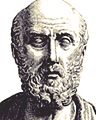 | Ότι χρήσις κρατύνει, αργίη δε τήκει. That which is used, gets stronger. That which is not used wastes away. — Hippocrates, 460-370 BC, Ancient Greek physician, the “Father of Medicine” | | Γυνή τι δράσω; Πώς μόνη σωθήσομαι, ανάδελφος, απάτωρ, άφιλος; Being a woman, what can I do? How can I, alone, save myself without brother, without father, without friends? — Euripides, 480-406 BC, Ancient Greek tragedian ‐ Orestes | | Η μεν του σώματος ισχύς γηράσκει, η δε της ψυχής ρώμη αγήραστος εστίν. The power of the body gets old, but the strength of the soul remains young. — Xenophon, 430-355 BC, Ancient Greek soldier & historian | | Των σωμάτων θηλυνομένων και αι ψυχαί πολύ ασθενέστεραι γίγνονται. When bodies become effeminate, souls get much weaker as well. — Socrates, 469-399 BC, Ancient Geek Philosopher | | Ρώμη δε μετά φρονήσεως ωφέλησεν, άνευ δε ταύτης πλείον τους έχοντας έβλαψεν. Physical strength with good sense is beneficial, but without it, it is more harmful for those who have it. — Isocrates, 436-338 BC, Ancient Greek rhetorician | | Άνδρες πόλις και ου τείχη, ουδέ νήες ανδρών κεναί. The strength of the city is the men, not the walls or the empty ships. — Thucydides, 460-394 BC, Ancient Greek historian | | Ερωτηθείς Πυθαγόρας πότε δει πλησιάζειν γυναικί, έφη: «ότε βούλεταί τις ασθενέστερος γίνεσθαι». Asked when a man should approach a woman, he said: “When he wishes to become weaker.” — Pythagoras, 580-490 BC, Ancient Greek philosopher | | | |
|
| Ineffectiveness | | Εχθίστη δε οδύνη εστί των εν ανθρώποισι αύτη, πολλά φρονέοντα μηδενός κρατέειν. Of all men’s miseries the bitterest is this: to know so much and to have no power. — Herodotus, 480-420 BC, Ancient Greek historian, the “ father of History” | | Όμφακες εισίν. The grapes are sour. — Aesop, 620-560 BC, Ancient Greek fabulist (The Fox and the Grapes) | | Ένθα χειρών χρεία έστιν, η δια λόγων βοήθεια ουδέν λυσιτελεί. When hands are needed, helping with words has no effect. — Aesop, 620-560 BC, Ancient Greek fabulist | | Τα μηδέν ωφελούντα μη πόνει μάτην. For things with no benefit do not try in vain. — Aeschylus, 525-456 BC, Ancient Greek tragedian ‐ Prometheus Bound | | Δαπανώμενος εφ’ ά μη δει, ολίγος έση εφ’ ά δει. Spending efforts for things you shouldn't, you will be inadequate for things you should. — Isocrates, 436-338 BC, Ancient Greek rhetorician | | Ουκ εξάγουσιν καρπόν οι ψευδείς λόγοι. False words do not bear fruit. — Sophocles, 496-406 BC, Ancient tragic poet | | Ατυχείν έξεστιν, αμελείν ουκ έξεστιν. It is acceptable to fail, it is not acceptable to be negligent. — Ancient Greek proverb |  | Ουκ αν λάβοις παρά του μη έχοντος. You cannot take from one who does not have. — Lucian, 120-180 AD, Ancient Syrian-Greek satirist (response to Charos who asked for a fare for Acherusia to pass to the underworld) | | Το τολμάν δ' αδύνατ' ανδρός ου σοφού. To dare the impossible is no mark of a wise man. — Euripides, 480-406 BC, Ancient Greek tragedian ‐ Helen | | | |
|
|
|
|
| Greed | | Η πενία πολλών εστιν ενδεής, η δ’ απληστία πάντων. Poverty needs many things, but greed everything. — Aristotle, 384-322 BC, Ancient Greek philosopher | | Πλεονεξίη το πάντα λέγειν, μηδέν δε εθέλειν ακούειν. It is greed to do all the talking and not be willing to listen. — Democritus, 470-370 BC, Ancient Greek philosopher | | Άπληστον το δια παντός κέρδος. Profit by any means is greed. — Pittacus of Mytilene, 650-570 BC, one of the 7 sages of Ancient Greece | | Πλην πλούτου, παντός χρήματος εστι κόρος. In all things there is saturation except wealth. — Theognis of Megara, 6th cent. BC, Ancient Greek poet | | | |
|
|
|
|
|
| Self-destruction | | Η γλώσσα πολλούς εις όλεθρον ήγαγεν. The tongue has led many men to destruction. — Menander, 4th cent. BC, Ancient Greek dramatist (New Comedy) | | Αλλ’, όταν σπεύδη τις αυτός, χω θεός συνάπτεται. But when a man speeds toward his own ruin, god gives him help. — Aeschylus, 525-456 BC, Ancient Greek tragedian | | Προς κέντρα μη λάκτιζε, μη παίσας μογής. Do not kick against the pricks, you will hurt yourself. — Aeschylus, 525-456 BC, Ancient Greek tragedian ‐ Agamemnon (it is an ancient proverb) | | Πολέμιον ανθρώποις αυτοί εαυτοίς. Man’s enemy is himself. — Anacharsis, 6th cent. BC, Scythian prince & philosopher | | | |
|
|
|
| Cowardice | | Οι μη δυνάμενοι κινδυνεύειν ανδρείως δούλοι των επιόντων εισίν. Those who cannot face danger like men become the slaves of any invader. — Aristotle, 384-322 BC, Ancient Greek philosopher | | Δούλου τόδ’ εστίν, μη λέγειν ά τις φρονεί. Who dares not speak his free thoughts behaves like a slave. — Euripides, 480-406 BC, Ancient Greek tragedian ‐ Phoenician women | | Πόθεν αν λάβοιμι βύσμα τω πρωκτώ φλέων; Where could I find a plug to stop the outpouring of my anus? — Aristophanes, 445-386 BC, Ancient Greek comic playwright ‐ Amfiaraos | | Δειλοί άνθρωποι ουκ έχουσιν εν μάχη αριθμόν. The number of cowards does not count in a battle. — Euripides, 480-406 BC, Ancient Greek tragedian ‐ Meleager | | Τι γαρ δει δειλόν όντα ευσωματείν; What’s the use of a muscular body to a coward? — Euripides, 480-406 BC, Ancient Greek tragedian ‐ Andromache | | Ανήρ ο φεύγων και πάλι μαχήσεται. The man who runs away will fight anyway. — Menander, 4th cent. BC, Ancient Greek dramatist (New Comedy) | | Το δε σώφρον του ανάνδρου πρόσχημα. Prudence is the coward's pretext. — Thucydides, 460-394 BC, Ancient Greek historian | | Δειλού μήτηρ ου κλαίει, αλλ' ουδέ χαίρει. The mother of a coward will not weep but will not rejoice either. — Aesop, 620-560 BC, Ancient Greek fabulist | | Βλαξ άνθρωπος επί παντί λόγω επτοήσθαι φιλεί. The fool has the tendency to flinch at the slightest thing. — Heraclitus, 544-484 BC, Ancient Greek philosopher | | Οι μεν άνδρες γεγόνασί μοι γυναίκες, αι δε γυναίκες άνδρες. My men have turned into women and my women into men! — Herodotus, 480-420 BC, Ancient Greek historian, the “ father of History” (words of Xerxes) | | | |
|
| Wickedness | | Οι πλείστοι άνθρωποι κακοί. Most people are bad. — Bias of Priene, 625-540 BC, one of the 7 sages of Ancient Greece | | Τον βίον μη, τω χρόνω βραχύν όντα, πράγμασιν κακοίς μακρόν ποιείν. Since life is short, don’t make it long with bad deeds. — Thales of Miletus, 643-548 BC, Ancient Greek philosopher | | Εν τη προαιρέσει η μοχθηρία και το αδικείν. Wickedness and injustice are intentional. — Aristotle, 384-322 BC, Ancient Greek philosopher | | Ευλαβού τας διαβολάς καν ψευδείς ώσιν. Be afraid of slandering even if it’s not true. — Isocrates, 436-338 BC, Ancient Greek rhetorician | | Των περί τα ήθη φευκτών τρία εστίν είδη: κακία, ακρασία, θηριότης. Of moral states to be avoided there are three kinds: malice, incontinence, bestiality. — Aristotle, 384-322 BC, Ancient Greek philosopher | | Θησαυρός εστι των κακών κακή γυνή. A wicked woman is a depository of disasters. — Menander, 4th cent. BC, Ancient Greek dramatist (New Comedy) | | Ύες βορβόρω ήδονται μάλλον ή καθαρώ ύδατι. Pigs enjoy mud more than clean water. — Heraclitus, 544-484 BC, Ancient Greek philosopher | | | |
|
| Envy | | Γυνή ανδρός φθονερώτερον και μεμψιμοιρότερον. Women are more envious and more querulous than men. — Aristotle, 384-322 BC, Ancient Greek philosopher | | Φθονέεσθαι κρέσσον εστὶ ή οικτείρεσθαι. It is better to be envied than pitied. — Herodotus, 480-420 BC, Ancient Greek historian, the “ father of History” | | Το Θείον φθονερόν και ταραχώδες. The gods are envious and mess things. — Solon, 630-560 BC, Ancient Greek lawmaker & philosopher | | Φθονερόν αεί των γειτόνων όμμα. Always envious the eye of the neighbor. — Ancient Greek proverb | | Ώσπερ υπό του ιού τον σίδηρον, ούτω τους φθονερούς υπό του ιδίου ήθους κατεσθίεσθαι. As iron is eaten away by rust, so the envious are consumed by their own passion. — Antisthenes, 445-360 BC, Ancient Greek Cynic philosopher | | Κρέσσων γαρ οικτιρμού φθόνος. It is better to be envied than pitied. — Pindar, 522-438 BC, Ancient Greek lyric poet | | Ο φθονέων εωυτόν ως εχθρόν λυπέει. The envious man torments himself like an enemy. — Democritus, 470-370 BC, Ancient Greek philosopher | | Ουκ αν φορητός είης, ει πράσσοις καλώς. You will not be tolerated if you are successful. — Aeschylus, 525-456 BC, Ancient Greek tragedian ‐ Prometheus Bound | | Και κεραμεύς κεραμεί κοτέει και τέκτονι τέκτων και πτωχός πτωχώ φθονέει και αοιδός αοιδώ. Potter bears a grudge against potter, and craftsman against craftsman, and beggar is envious of beggar, and bard of bard. — Hesiod, 7th cent. BC, Ancient Greek poet ‐ Works and Days -26 | | Προς γαρ τον έχοντα ο φθόνος έρπει. Envy crawls towards the rich man. — Sophocles, 496-406 BC, Ancient tragic poet ‐ Αίας | | Ο δ’ αφθόνητός γ’ ουκ επίζηλος πέλει. He who is not enviable is not admirable. — Aeschylus, 525-456 BC, Ancient Greek tragedian ‐ Agamemnon | | | |
|
|
| Audacity | | Αμαθία μεν θράσος, λογισμός δε όκνον φέρει. Ignorance is bold, knowledge is reserved. — Thucydides, 460-394 BC, Ancient Greek historian | | Πάντα κακοί τολμώσι. The bad guys dare it all. — Ancient Greek proverb | | Το γαρ ευ πράττειν παρά την αξίαν, αφορμήν του κακώς φρονείν τοις ανοήτοις γίγνεται. To become successful without deserving it encourages the fools to make evil plans. — Demosthenes, 384-322 BC, Ancient Athenian & statesman orator | | Το τα αδύνατα διώκειν μανικόν. Αδύνατον δε το τους φαύλους μη τοιαύτά τινα ποιείν. It is crazy to want what is impossible. And impossible for the wicked not to do so. — Marcus Aurelius, 121-180 AD, Roman Emperor ‐ Meditations V, 17 | | Αχαλίνων στομάτων, ανόμου τ’ αφροσύνας το τέλος δυστυχία. Of unbridled talk and lawless follies misfortune is the end. — Euripides, 480-406 BC, Ancient Greek tragedian ‐ Bacchae | | | |
|
| Hypocrisy | | Πολλοί δρώντες τα αίσχιστα, λόγους τους αρίστους ασκέουσι. Many, while performing the foulest deeds, use the fairest words. — Democritus, 470-370 BC, Ancient Greek philosopher | | Όμοια πόρνη δάκρυα και ρήτωρ έχει. A prostitute and a politician pour similar tears. — Menander, 4th cent. BC, Ancient Greek dramatist (New Comedy) | | Κίβδηλοι και αγαθοφανέες οι λόγω μεν άπαντα, έργω δε ουδέν έρδοντες. Cheats and hypocrites are those who do everything with words and do nothing with actions. — Democritus, 470-370 BC, Ancient Greek philosopher | | Έσθλ' αγορεύοντες, κακά δε φρεσί βυσσοδόμευον. Welcome words on their lips, and murder in their hearts. — Homer, c. 800-750 BC, Ancient Greek Poet ‐ Odyssey XVII | | Αλλήλων καταφρονούντες αλλήλοις αρεσκεύονται και αλλήλων υπερέχειν θέλοντες, αλλήλοις υποκατακλίνονται. Although they despise each other, they embrace each other, and although they want to be above the others, they bow to each other. — Marcus Aurelius, 121-180 AD, Roman Emperor ‐ Meditations XI, 14 | | | |
|
| Indifference | | Των οικιών ημών εμπιμπραμένων, ημείς άδομεν. We sing while our houses are on fire! — Ancient Greek phrase | | Κακώς ακούειν ου μέλει θανόντι μοι. I don’t care if they speak bad about me after I die. — Euripides, 480-406 BC, Ancient Greek tragedian ‐ Alcestis | | Εμού θανόντος γαία πυρί μιχθήτω. After I die, let the world burn. — Ancient Greek phrase | | Των οικιών υμών εμπιπραμένων, υμείς άδετε. While your houses are burning, you sing. — Aesop, 620-560 BC, Ancient Greek fabulist | | Αύη ψυχὴ σοφωτάτη και αρίστη. A dry soul, without desires, is the wisest and best. — Heraclitus, 544-484 BC, Ancient Greek philosopher | | | |
|
| Inaction | | Αδικεί πολλάκις ο μη ποιών τι, ου μόνον ο ποιών τι. A wrongdoer is often a man who has left something undone, not always one who has done something. — Marcus Aurelius, 121-180 AD, Roman Emperor ‐ Meditations IX, 5 | | Κίβδηλοι και αγαθοφανέες οι λόγω μεν άπαντα, έργω δε ουδέν έρδοντες. Cheats and hypocrites are those who do everything with words and do nothing with actions. — Democritus, 470-370 BC, Ancient Greek philosopher | | Οι δε των πραγμάτων ου μένουσι καιροί την ημετέραν βραδύτητα και ειρωνείαν. The favorable conditions will not wait for our sluggishness and haughtiness . — Demosthenes, 384-322 BC, Ancient Athenian & statesman orator | | Ότι χρήσις κρατύνει, αργίη δε τήκει. That which is used, gets stronger. That which is not used wastes away. — Hippocrates, 460-370 BC, Ancient Greek physician, the “Father of Medicine” | | Θεός τοις αργούσιν ου παρίσταται. Heaven never helps the man who will not act. — Sophocles, 496-406 BC, Ancient tragic poet | | Της ησυχίης πάντες οι πόνοι ηδίονες. All labor is better than inactivity. — Democritus, 470-370 BC, Ancient Greek philosopher | | Ως άπας μεν λόγος, αν απή τα πράγματα, μάταιόν τι φαίνεται και κενόν. All speech is vain and empty unless it be accompanied by action. — Demosthenes, 384-322 BC, Ancient Athenian & statesman orator | | Το μεν εργάζεσθαι αγαθόν το δε αργείν κακόν. Work is good, but idleness is bad. — Xenophon, 430-355 BC, Ancient Greek soldier & historian | | | |
|
|
| Unworthiness | | Άρχεται λέξεων μεν ποταμός, νου δε σταλαγμός. Now begins a river of words and a trickling of sense. — Theocritus, 3rd cent. BC, Ancient Greek poet (on one of his opponents who was about to make a public speech) | | Ουκ εισίν οι παμπλούσιοι αγαθοί. The very rich are not good. — Plato, 427-347 BC, Ancient Greek philosopher | | Φωνή μιαρά, γέγονας κακώς, αγοραίος εί, έχεις άπαντα προς πολιτείαν ά δει. Horrible voice, bad breeding, vulgar manners, you have everything you need to be a politician. — Aristophanes, 445-386 BC, Ancient Greek comic playwright ‐ Knights | | Ου λέγειν τυγ’ εσσί δεινός, αλλά σιγάν αδύνατος. You are as incapable of speaking as you are of keeping quiet. — Epicharmus of Kos, 530-440 BC, Ancient Greek poet | | Κρείττον ένα φίλον έχειν πολλού άξιον, ή πολλούς μηδενός αξίους. It is better to have one worthy friend than many worthless ones. — Anacharsis, 6th cent. BC, Scythian prince & philosopher | | | |
|
|
|
|
| Cunning | | Δολερόν μεν αεί κατά πάντα δη τρόπον πέφυκεν άνθρωπος. Man is naturally deceitful ever, in every way! — Aristophanes, 445-386 BC, Ancient Greek comic playwright ‐ Birds | | Προφάσεως δείται μόνον η πονηρία. Only the cunning needs excuses. — Aristotle, 384-322 BC, Ancient Greek philosopher | | Τα πονηρά κέρδη τας μεν ηδονάς έχει μικράς, τας δε λύπας μακράς. Dishonest gain has short pleasures and long sorrows. — Diphilos, 4th/3rd cent. BC, Ancient Greek comedian | | Νοείν, οράν, ξυνιέναι, στρέφειν έδραν, τεχνάζειν, κάχ’ υποτοπείσθαι, περινοείν άπαντα. To think, to see, to understand, to show the arse, to trick, to suspect the worst, to question everything. — Aristophanes, 445-386 BC, Ancient Greek comic playwright ‐ Frogs (what Euripides taught to Athenians, according to Aristophanes) | | Δειναί γαρ αι γυναίκες ευρίσκειν τέχνας. Women are very good in inventing ruses. — Euripides, 480-406 BC, Ancient Greek tragedian ‐ Iphigenia in Tauris, | | Αλωπεκίζειν προς ετέραν αλώπεκα. Playing the fox to another fox. — Ancient Greek phrase | | Πολλάς αν εύροις μηχανάς, γυνή γαρ εί. You will find many machinations since you are a woman. — Euripides, 480-406 BC, Ancient Greek tragedian ‐ Andromache | | Ποτί πονηρόν ου άχρηστον όπλον ά πονηρία. Against the wicked, cunning is not a useless weapon. — Epicharmus of Kos, 530-440 BC, Ancient Greek poet | | Γυνή πολλά ανδρός οξυτέρη προς κακοφραδμοσύνην. Woman is smarter than man in cunning. — Democritus, 470-370 BC, Ancient Greek philosopher | | Κρείττον ευήθη δοκείν ή πονηρόν είναι. It is better to look simple-minded than to be shrewd. — Demosthenes, 384-322 BC, Ancient Athenian & statesman orator | | | |
|
|
| Vulgarity | | Η δημαγωγία γαρ ου προς μουσικού ετ’ εστίν ανδρός ουδέ χρηστού τους τρόπους, αλλ’ εις αμαθή και βδελυρόν. A demagogue must be neither an educated nor a honest man; he has to be ignorant and a rogue. — Aristophanes, 445-386 BC, Ancient Greek comic playwright | | Του μεν κακώς λέγειν συ την εξουσίαν έχεις, του δε μη ακούειν εγώ. You may have the power to slander, but I have the power not to listen to you. — Aristippus, 435-355 BC, Ancient Greek philosopher (refusing to continue a debate) | | Μωμεομένων φλαύρων ο αγαθός ου ποιέεται λόγον. The good man does not repeat the censure of the mean. — Democritus, 470-370 BC, Ancient Greek philosopher | | Κει θέμις εστίν, νυνί γ᾽ ήδη, κει μη θέμις εστί, χεσείω. Sacrilege or not, I want to crap. — Aristophanes, 445-386 BC, Ancient Greek comic playwright ‐ Clouds | | Το μη καλώς λέγειν ου μόνον εις αυτό τούτο πλημμελές, αλλά και κακόν τι εμποιεί ταις ψυχαίς. Not speaking well of others is not only sinful by itself, but lets evil intrude into the soul. — Socrates, 469-399 BC, Ancient Geek Philosopher | | Το γαρ μηδαμού κρατείν οργής απαίδευτον και ακόλαστον. Not to hold your anger at all is rude and vulgar. — Plutarch, 47-120 AD, Ancient Greek historian | | Ύες βορβόρω ήδονται μάλλον ή καθαρώ ύδατι. Pigs enjoy mud more than clean water. — Heraclitus, 544-484 BC, Ancient Greek philosopher | | | |
|
|
| Disbelief | | Ανδρών δε φαύλων όρκον εις ύδωρ γράφε. Write the oaths of vicious men in water. — Menander, 4th cent. BC, Ancient Greek dramatist (New Comedy) | 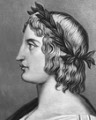 | Φοβού τους Δαναούς και δώρα φέροντας. Be afraid of the Greeks bearing gifts. — Virgil, 70-19 BC, Roman poet | | Απιστούνται δ’ oι λάλοι καν αληθεύωσιν. No one believes those who talk much even when they are telling the truth. — Plutarch, 47-120 AD, Ancient Greek historian | | Όρκους εγώ γυναικός εις ύδωρ γράφω. I inscribe the vows of a woman on water. — Sophocles, 496-406 BC, Ancient tragic poet | | Ωτα γαρ τυγχάνει ανθρώποισι εόντα απιστότερα οφθαλμών. Men trust their ears less than their eyes. — Herodotus, 480-420 BC, Ancient Greek historian, the “ father of History” | | Γυναικί μη πίστευε, μηδ’ αν αποθάνη. Trust not a woman, not even in death. — Diogenes, 410-323 BC, Ancient Greek Cynic philosopher | | | |
|
|
|
|
|
|
|
| Criticism | | Βασιλικόν, καλώς ποιούντα κακώς ακούειν. It is a royal privilege to do good and be ill spoken of. — Antisthenes, 445-360 BC, Ancient Greek Cynic philosopher (his comment when was told that Plato spoke badly about him) | | Κρέσσον τα οικήια ελέγχειν αμαρτήματα ή τα οθνεία. Rather examine your own faults than those of the others. — Democritus, 470-370 BC, Ancient Greek philosopher | | Φιλίας μεν αρχή έπαινος, έχθρας δε ψόγος. The beginning of friendship is praise and of animosity is disapproval. — Isocrates, 436-338 BC, Ancient Greek rhetorician | | Κατ’ αρχής γαρ φιλαίτιος λεώς. The people like to criticize those in power. — Aeschylus, 525-456 BC, Ancient Greek tragedian | | Ου πάνυ ημίν ούτω φροντιστέον τι ερούσιν οι πολλοί ημάς, αλλ’ ό,τι ο επαΐων περί των δικαίων και αδίκων. We should not care much about what the many say about us, but what the one who knows about right and wrong says. — Plato, 427-347 BC, Ancient Greek philosopher | | | |
|
|
|
|
| Anger | | Μένεα πνείοντες. Breathing fury. — Homer, c. 800-750 BC, Ancient Greek Poet ‐ Iliad II | | Αιδώς γαρ οργής πλείον ωφελεί βροτούς. Timidity is more beneficial to people than wrath. — Euripides, 480-406 BC, Ancient Greek tragedian ‐ Temenidae | | Πολλά εστι του θυμού φοβερά, πολλά δε και γελοία. Many things about anger are horrible, and many are rediculus. — Plutarch, 47-120 AD, Ancient Greek historian | | Χαλεπώτερον ηδονῇ μάχεσθαι ή θυμῷ. It is harder to fight against pleasure than against anger. — Heraclitus, 544-484 BC, Ancient Greek philosopher | | Χόλος νόον οιδάνει. Anger inflates the mind. — Homer, c. 800-750 BC, Ancient Greek Poet ‐ Iliad X | | Σώφρονος ανδρός έχθραν φυλάττεσθαι και οργήν. The prudent stay away from hatred and anger. — Plutarch, 47-120 AD, Ancient Greek historian | | Το γαρ μηδαμού κρατείν οργής απαίδευτον και ακόλαστον. Not to hold your anger at all is rude and vulgar. — Plutarch, 47-120 AD, Ancient Greek historian | | Δύο τα εναντιώτατα ευβουλία είναι, τάχος τε και οργήν. Two things prevent making the right decision: haste and anger. — Thucydides, 460-394 BC, Ancient Greek historian | | Εν οργή μήτε τι λέγειν μήτε πράσσειν. In anger we should refrain both from speech and action. — Pythagoras, 580-490 BC, Ancient Greek philosopher | | | |
|
|
|