| Government |  | Το της πόλεως όλης ήθος, ομοιούται τοις άρχουσιν. The character of the state reflects the character of its governors. — Isocrates, 436-338 BC, Ancient Greek rhetorician |  | Χαλεπόν άρχεσθαι υπό χερείονος. It is hard to be ruled by an inferior. — Democritus, 470-370 BC, Ancient Greek philosopher | | Πόλις ευ αγομένη μεγίστη όρθωσις εστι. A well governed state is the best environment for growth. — Democritus, 470-370 BC, Ancient Greek philosopher |  | Άπας δε τραχύς όστις αν νέον κρατή. Every ruler new to power is harsh. — Aeschylus, 525-456 BC, Ancient Greek tragedian ‐ Prometheus Bound |  | Δύναμις υπέρ άνθρωπον η βασιλέος εστί και χείρ υπερμήκης. The king’s might is greater than human, and his arm is very long. — Herodotus, 480-420 BC, Ancient Greek historian, the “ father of History” | | | |
|
|
| Justice |  | Έστι δίκης οφθαλμός, ός τα πάνθ’ ορά. There is an eye of justice that sees everything. — Menander, 4th cent. BC, Ancient Greek dramatist (New Comedy) |  | Αλλ’ η Δίκη γαρ και κατά σκότον βλέπει. But Justice sees even in the dark. — Euripides, 480-406 BC, Ancient Greek tragedian ‐ Oedipus | | Μούνοι θεοφιλέες, όσοις εχθρόν το αδικέειν. Gods love the enemies of injustice. — Democritus, 470-370 BC, Ancient Greek philosopher |  | Εμέ δε Άνυτος και Μέλητος αποκτείναι μεν δύνανται, βλάψαι δε ού. Meletus and Anytus can kill me, but they cannot hurt me. — Socrates, 469-399 BC, Ancient Geek Philosopher (Meletus and Anytus were the prosecutors in the trial of Socrates) | | Ανεξέταστον μη κόλαζε μηδένα. Don't punish anyone without investigating. — Menander, 4th cent. BC, Ancient Greek dramatist (New Comedy) |  | Μηδενί δίκην δικάσης, πριν αμφοίν μύθον ακούσης. Don’t judge anybody before you hear both stories. — Ancient Greek proverb |  | Δει εν μεν τοις όπλοις φοβερούς, εν δε τοις δικαστηρίοις φιλανθρώπους είναι. Be in battle daunting, in courts humane. — Demosthenes, 384-322 BC, Ancient Athenian & statesman orator |  | Μηδενί δίκην δικάσης, πριν αμφοίν μύθον ακούσης. Don’t judge anyone before you hear the story from both parts. — Phocylides, c. 5th cent. BC, Ancient Greek poet | | | |
|
| Laws |  | Το θείον και οι νόμοι, ευ μεν αγόντων, εισίν ωφέλιμοι, κακώς δε αγόντων ουδέν ωφελούσιν. Religion and laws, if they are exercised well, are beneficial; if exercised badly, they do not benefit at all. — Solon, 630-560 BC, Ancient Greek lawmaker & philosopher |  | Άπας ό βίος των ανθρώπων φύσει και νόμοις διοικείται. The human life is governed by nature and laws. — Aristotle, 384-322 BC, Ancient Greek philosopher | | Τους δε νόμους τοις αραχνίοις ομοίους· και γαρ εκείνα, εάν μεν εμπέση τι κούφον και ασθενές, στέγειν· εάν δε μείζον, διακόψαν οίχεσθαι. Laws are like spider’s webs: If some poor weak creature comes up against them, it is caught; but a big one can break through and get away. — Solon, 630-560 BC, Ancient Greek lawmaker & philosopher | | Ο μηδέν αδικών ουδενός δείται νόμου. He who is never unjust has no need of laws. — Antiphanes, 405-335 BC, Ancient comic poet | | Ουδέν διαφέρει ή μη κείσθαι ή μη χρήσθαι τους νόμους. There is no difference between not having laws and not following the laws. — Aristotle, 384-322 BC, Ancient Greek philosopher | | Ξένος ων ακολούθει τοις επιχωρίοις νόμοις. If you are s stranger, follow the local laws. — Ancient Greek phrase | | Ου γαρ τοις ψηφίσµασιν αλλά τοις ήθεσιν καλώς οικείσθαι τας πόλεις. The good condition of the state depends on ethics and not on the laws we vote. — Isocrates, 436-338 BC, Ancient Greek rhetorician |  | Την μάλιστα νόμων, ήκιστα δε ρητόρων ακούουσαν πολιτείαν αρίστην είναι. The best state is one where the laws and not the politicians are obeyed. — Chilon of Sparta, 6th cent. BC, one of the 7 sages of Ancient Greece |  | Τοις μεν νόμοις, παλαιοίς χρώ, τοις δ' όψοις, προσφάτοις. Use old laws and fresh food. — Periander of Corinth, 668-584 BC, tyrant of Corinth | | Πας εστι νόμος εύρημα μεν και δώρον θεών. Every law is a gift and an invention of the gods. — Demosthenes, 384-322 BC, Ancient Athenian & statesman orator |  | Άνθρωπος τελειωθείς βέλτιστον των ζώων, χωρισθέν δε νόμου και δίκης, χείριστον πάντων. A man with charαcter is the noblest of animals; separated from law and justice, he is the worst. — Plato, 427-347 BC, Ancient Greek philosopher |  | Νόμος εστί θεός, Tούτον αεί πάντοτε τίμα. The law is a god that you must honor at all times. — Simonides of Ceos, 556-468 BC, Ancient poet & author of epigrams | | Ωσπερ σώμα στερηθέν ψυχής πίπτει, ούτω και πόλις, μη όντων νόμων, καταλύεται. Just as the body, when deprived of the soul, dies, so too the city, when there are no laws, collapses. — Aristotle, 384-322 BC, Ancient Greek philosopher | | | |
|
|
|
| Power |  | Δει τον αγαθόν άνδρα παυόμενον της αρχής μη πλουσιώτερον, αλλά μάλλον ενδοξότερον γεγονέναι. When a good man steps down from power, he shouldn’t have become more rich, but more honored. — Bias of Priene, 625-540 BC, one of the 7 sages of Ancient Greece |  | Ο εγγύς Διός, εγγύς κεραυνού. He who is close to Zeus is close to thunder. — Aesop, 620-560 BC, Ancient Greek fabulist | | Αρχή άνδρα δείκνυσι. Power shows the man. — Bias of Priene, 625-540 BC, one of the 7 sages of Ancient Greece | | Ρώμη αμαθής πολλάκις τίκτει βλάβην. Foolish strength is very often damaging. — Euripides, 480-406 BC, Ancient Greek tragedian ‐ Temenidae | | Ισχυρόν όντα πράον είναι, όπως οι πλησίον αιδώνται μάλλον ή φοβώνται. When you are in a position of power, be well-mannered, if you would have the respect, not the fear, of those around you. — Chilon of Sparta, 6th cent. BC, one of the 7 sages of Ancient Greece | | Ανδρών δ᾿ εκ μεγάλων πόλις όλλυται. The state is destroyed by its great men. — Solon, 630-560 BC, Ancient Greek lawmaker & philosopher | | Το άρχειν ήδιστον. Power is the ultimate pleasure. — Aristotle, 384-322 BC, Ancient Greek philosopher | | Κατ’ αρχής γαρ φιλαίτιος λεώς. The people like to criticize those in power. — Aeschylus, 525-456 BC, Ancient Greek tragedian | | | |
|
|
| Politics |  | Τότε τας πόλεις απόλλυσθαι, όταν μη δύνωνται τους φαύλους από των σπουδαίων διακρίνειν. Cities are doomed when they are unable to distinguish the great men from the bad. — Antisthenes, 445-360 BC, Ancient Greek Cynic philosopher | | Ο άνθρωπος φύσει πολιτικόν ζώον. Man is by nature a city animal. — Aristotle, 384-322 BC, Ancient Greek philosopher (or political animal) |  | Υπό λίθω γαρ παντί νου χρη μη δάκη ρήτωρ αθρείν. We must look beneath every stone, lest it conceal some politician ready to sting us. — Aristophanes, 445-386 BC, Ancient Greek comic playwright ‐ Thesmophoriazusae | | Το μητ’ άναρχον μήτε δεσποτούμενον... σέβειν. Respect neither anarchy nor tyranny. — Aeschylus, 525-456 BC, Ancient Greek tragedian ‐ Eumenides |  | Κυάμων απέχεσθαι. Abstain from beans. — Pythagoras, 580-490 BC, Ancient Greek philosopher (meaning: Abstain from politics) | | Τοις ελευθέροις μεγίστη ανάγκη η υπέρ των πραγμάτων αισχύνη. It is imperative that free men feel responsibility for political matters. — Demosthenes, 384-322 BC, Ancient Athenian & statesman orator | | | |
|
| Democracy | | Κρατίστην είναι δημοκρατίαν εν ή πάντες ως τύραννον φοβούνται τον νόμον. The best democracy is where everybody is afraid of the law like a tyrant. — Bias of Priene, 625-540 BC, one of the 7 sages of Ancient Greece | | Ω δημοκρατία, ποι προβιβάς ημάς ποτε; O democracy, where are you leading us? — Aristophanes, 445-386 BC, Ancient Greek comic playwright ‐ Birds | | Δημοκρατία κρείττον τυραννίδος. Democracy is better than tyranny. — Periander of Corinth, 668-584 BC, tyrant of Corinth | | Ως ο μεν δήμος εστιν ασταθμητότατον πράγμα των πάντων και ασυνθετώτατον. The electorate is the most unstable and unpredictable thing. — Demosthenes, 384-322 BC, Ancient Athenian & statesman orator | | Την των δήμων ελευθερίαν η των αγαθών ανδρών άμιλλα φυλάττει. The rivalry of honest men safeguards the freedom of the people. — Demosthenes, 384-322 BC, Ancient Athenian & statesman orator | | | |
|
| Freedom | | Η άγαν ελευθερία έοικε εις άγαν δουλείαν μεταβάλλειν. It seems that excessive freedom leads to excessive enslavement. — Plato, 427-347 BC, Ancient Greek philosopher ‐ Republic |  | Ουδείς ελεύθερος εαυτού μη κρατών. No one is free if he cannot subdue himself. — Epictetus, 50-120 AD, Ancient Greek Stoic philosopher |  | Εκλυτέον εαυτούς εκ του περί τα εγκύκλια και τα πολιτικά δεσμωτηρίου. We must free ourselves from the daily routine and the bonds of politics. — Epicurus, 341-270 BC, Ancient Greek philosopher |  | Το εύδαιμον το ελεύθερον, το δ’ ελεύθερον το εύψυχον. The happy are the free, and the free are the brave. — Thucydides, 460-394 BC, Ancient Greek historian | | Ελεύθερος γαρ ου τις εστί πλην Διός. No one is free but Zeus. — Aeschylus, 525-456 BC, Ancient Greek tragedian ‐ Prometheus Bound | | Το εύδαιμον το ελεύθερον, το δ’ ελεύθερον το εύψυχον. True happiness is found in freedom, and true freedom in bravery. — Thucydides, 460-394 BC, Ancient Greek historian | | | |
|
|
|
| Patriotism | | Ω παίδες Ελλήνων, ίτε ελευθερούτε πατρίδ’ ελευθερούτε δε παίδας, γυναίκας, θεών τε πατρώων έδη, θήκας τε προγόνων νυν υπέρ πάντων αγών Forward, you sons of Hellas! Set your country free! Set free your sons, your wives, the tombs of your ancestors, and temples of your gods . All is at stake now, fight! — Aeschylus, 525-456 BC, Ancient Greek tragedian ‐ Persians |  | Είς οιωνός άριστος, αμύνεσθαι περί πάτρης. This is the best omen, to fight for your country. — Homer, c. 800-750 BC, Ancient Greek Poet ‐ Iliad XII (words of Hector) | | Ως ουδέν γλύκιον ής πατρίδος ουδέ τοκήων γίνεται. There is nothing sweeter than one's homeland and parents. — Homer, c. 800-750 BC, Ancient Greek Poet | | | |
|
| Populism | | Όμοια πόρνη δάκρυα και ρήτωρ έχει. A prostitute and a politician pour similar tears. — Menander, 4th cent. BC, Ancient Greek dramatist (New Comedy) | | Του πιθανωτέρους είναι τους απαιδεύτους των πεπαιδευμένων εν τοις όχλοις. Before a crowd, the ignorant are more persuasive than the educated. — Aristotle, 384-322 BC, Ancient Greek philosopher | | Φωνή μιαρά, γέγονας κακώς, αγοραίος εί, έχεις άπαντα προς πολιτείαν ά δει. Horrible voice, bad breeding, vulgar manners, you have everything you need to be a politician. — Aristophanes, 445-386 BC, Ancient Greek comic playwright ‐ Knights | | Η δημαγωγία γαρ ου προς μουσικού ετ’ εστίν ανδρός ουδέ χρηστού τους τρόπους, αλλ’ εις αμαθή και βδελυρόν. A demagogue must be neither an educated nor a honest man; he has to be ignorant and a rogue. — Aristophanes, 445-386 BC, Ancient Greek comic playwright | | Οι γαρ εν σοφοίς φαύλοι παρ’ όχλω μουσικώτεροι λέγειν. Those who the wise consider fools are often better tuned to speak before a crowd. — Euripides, 480-406 BC, Ancient Greek tragedian ‐ Hippolytus | | Όταν γαρ ηδύς τις λόγοις φρονών κακώς πείθη το πλήθος, τη πόλει κακόν μέγα. When one with honeyed words but evil mind persuades the mob, great woes befall the state. — Euripides, 480-406 BC, Ancient Greek tragedian ‐ Orestes | | Δεινόν οι πολλοί, κακούργους όταν έχωσι προστάτας. The many are dangerous, when they have wicked leaders. — Euripides, 480-406 BC, Ancient Greek tragedian ‐ Orestes | | Ισχυρόν όχλος εστίν, ουκ έχει δε νουν. The mob is powerful and has no sense. — Menander, 4th cent. BC, Ancient Greek dramatist (New Comedy) | | Τον δήμον αεί προσποιού υπογλυκαίνων ρηματίοις μαγειρικοίς. Always keep the populace on your side sweetening it with cooked words. — Aristophanes, 445-386 BC, Ancient Greek comic playwright ‐ Knights |  | Πολλάκι και ξύμπασα πόλις κακού ανδρός απηύρα. Often an entire city has suffered because of an evil man. — Hesiod, 7th cent. BC, Ancient Greek poet ‐ Works and Days -240 | | | |
|
|
|
|
|
|
| Crowds | | Είς ουδείς, δύο πολλοί, τρεις όχλος, τέσσαρες πανήγυρις. One is no one, two is a company, three is a crowd, four is a fair. — Aesop, 620-560 BC, Ancient Greek fabulist | | Συν όχλω αμαθία πλείστον κακόν. Crowds with foolishness is a great evil. — Euripides, 480-406 BC, Ancient Greek tragedian | | | |
|
| War & Peace | | Ο δε πόλεμος... βίαιος διδάσκαλος. War is a violent teacher. — Thucydides, 460-394 BC, Ancient Greek historian | | Ουδείς γαρ ούτω ανόητος εστί όστις πόλεμον προ ειρήνης αιρέεται· εν μεν γαρ τη οι παίδες τους πατέρας θάπτουσι, εν δε τω οι πατέρες τους παίδας. Nobody is so stupid to choose war instead of peace. Because in peace the children bury their fathers but in war the fathers bury their children. — Herodotus, 480-420 BC, Ancient Greek historian, the “ father of History” |  | Γλυκύ δ᾽απείρῳ πόλεμος. War is sweet to those who have no experience of it. — Pindar, 522-438 BC, Ancient Greek lyric poet | 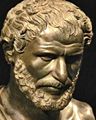 | Πόλεμος πάντων μεν πατήρ εστί, πάντων δε βασιλεύς. Και τους μεν θεούς έδειξε, τους δε ανθρώπους, τους μεν δούλους εποίησε, τους δε ελευθέρους. War is the father and king of all: some he has made gods, and some men; some slaves and some free. — Heraclitus, 544-484 BC, Ancient Greek philosopher | | Έστιν ο πόλεμος ουχ όπλων το πλέον, αλλά δαπάνης. War is a matter not so much of arms as of expenditure. — Thucydides, 460-394 BC, Ancient Greek historian | | Νεύρα πολέμου χρυσός. Gold is the nerves of the war. — Pindar, 522-438 BC, Ancient Greek lyric poet | | Μέγα το της θαλάσσης κράτος. The rule of the sea is a great matter. — Thucydides, 460-394 BC, Ancient Greek historian (Pericles’ oration) | | Πόλεμος ένδοξος, ειρήνης αισχράς αιρετώτερος. A plausible war is preferable to a dishonorable peace. — Demosthenes, 384-322 BC, Ancient Athenian & statesman orator | | Δει εν μεν τοις όπλοις φοβερούς, εν δε τοις δικαστηρίοις φιλανθρώπους είναι. Be in battle daunting, in courts humane. — Demosthenes, 384-322 BC, Ancient Athenian & statesman orator | | Δια την των χρημάτων κτήσιν πάντες οι πόλεμοι γίγνονται. All wars are made for the acquisition of assets. — Plato, 427-347 BC, Ancient Greek philosopher | | Ειρήνη ανά γην κουροτρόφος. Peace is raising sons in this world. — Hesiod, 7th cent. BC, Ancient Greek poet ‐ Works and Days -228 | | | |
|
| Arms & Weapons |  | Μολών λαβέ. Come and get them [the arms]. — Leonidas, King of Sparta (at Thermopylae, 480 BC) | | | |
|
|
|
|
|
|
|
| Truth & Lies | 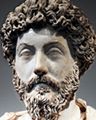 | Ει μη καθήκει, μη πράξης· ει μη αληθές εστι, μη είπης. If it’s not right, don’t do it; if it’s not true, don’t say it. — Marcus Aurelius, 121-180 AD, Roman Emperor | | Η γλώσσα λανθάνουσα τ’ αληθή λέγει. A slip of the tongue speaks the truth. — Menander, 4th cent. BC, Ancient Greek dramatist (New Comedy) | | Απλούς ο μύθος της αληθείας έφυ. The words of truth are simple by nature. — Euripides, 480-406 BC, Ancient Greek tragedian ‐ Phoenician women | | Αεί κράτιστον εστί τα αληθή λέγειν εν παντί καιρώ. It is always better to tell the truth at every opportunity — Menander, 4th cent. BC, Ancient Greek dramatist (New Comedy) | | Κλεπτών γαρ η νυξ, της δ’ αληθείας το φως. Night is for the thieves, light is for the truth. — Euripides, 480-406 BC, Ancient Greek tragedian ‐ Iphigeneia in Tauris | | Εγώ δε οφείλω λέγειν τα λεγόμενα, πείθεσθαί γε μεν ου παντάπασι οφείλω. I am bound to tell what I am told, but not in every case to believe it. — Herodotus, 480-420 BC, Ancient Greek historian, the “ father of History” | 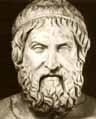 | Θάρσει. Λέγων τ' αληθές ου σφαλεί ποτε. Have courage. When you tell the truth, you will never go wrong. — Sophocles, 496-406 BC, Ancient tragic poet | | Αλλ’ ουδέν έρπει ψεύδος εις γήρας χρόνου. A lie never lives to be old. — Sophocles, 496-406 BC, Ancient tragic poet | 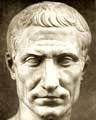 | Φύσει γαρ άνθρωπος, ό βούλεται, τούτο και οίεται. By nature, man believes what he wishes to be true. — Julius Caesar, 100-44 BC, Roman general & Consul | | Ουκ εξάγουσιν καρπόν οι ψευδείς λόγοι. False words do not bear fruit. — Sophocles, 496-406 BC, Ancient tragic poet | 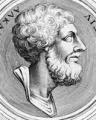 | Εν οίνω αλήθεια. In wine, there is truth. — Alcaeus of Mytilene, 7th-6th cent. BC, Ancient Greek lyric poet | | | |
|
|
|
| Words | | Αρχή Σοφίας ονομάτων επίσκεψις. The investigation of the meaning of words is the beginning of wisdom. — Antisthenes, 445-360 BC, Ancient Greek Cynic philosopher | | Υπὸ γαρ λόγων ο νους τε μετεωρίζεται επαίρεταί τ᾽ άνθρωπος. Words give wings to the mind and make a man soar to heaven. — Aristophanes, 445-386 BC, Ancient Greek comic playwright ‐ Birds | | Έργω κ’ ουκέτι μύθω. By deeds, not words. — Aeschylus, 525-456 BC, Ancient Greek tragedian ‐ Prometheus Bound | | Πάντες τοις λόγοις αναπτερούνται. By words everybody is winged. — Aristophanes, 445-386 BC, Ancient Greek comic playwright | | Ρήμα δ᾽ εργμάτων χρονιώτερον βιοτεύει. For words live longer down the years than deeds. — Pindar, 522-438 BC, Ancient Greek lyric poet | | Έπεα πτερόεντα. Winged words. — Homer, c. 800-750 BC, Ancient Greek Poet ‐ Iliad E’ 871 | | Οργής ματαίας εισί αίτιοι λόγοι. Words are the doctors of a temper diseased. — Aeschylus, 525-456 BC, Ancient Greek tragedian | | Ρήμα παράκαιρον τον όλον ανατρέπει βίον. A wrong word can turn your whole life upside down. — Menander, 4th cent. BC, Ancient Greek dramatist (New Comedy) | | Τον δήμον αεί προσποιού υπογλυκαίνων ρηματίοις μαγειρικοίς. Always keep the populace on your side sweetening it with cooked words. — Aristophanes, 445-386 BC, Ancient Greek comic playwright ‐ Knights | | | |
|
| Knowledge | | Εν μόνον αγαθόν είναι, την επιστήμην, και εν μόνον κακόν, την αμαθίαν. There is only one good, knowledge, and one evil, ignorance. — Socrates, 469-399 BC, Ancient Geek Philosopher | | Εν οίδα ότι ουδέν οίδα. I know that I know nothing. — Socrates, 469-399 BC, Ancient Geek Philosopher ( the “Socratic paradox”; from a Latin quote which was a paraphrase of a Plato’s line and not a real saying by Socrates) | | Αμαθία μεν θράσος, λογισμός δε όκνον φέρει. Ignorance is bold, knowledge is reserved. — Thucydides, 460-394 BC, Ancient Greek historian | | Πολυμαθίη νόον ου διδάσκει. Much learning does not teach the mind. — Heraclitus, 544-484 BC, Ancient Greek philosopher | | Επιστήμη ποιητική ευδαιμονίας. Knowledge creates happiness. — Plato, 427-347 BC, Ancient Greek philosopher | | Πολλοί πολυμαθέες νόον ουκ έχουσιν. Many, though widely read, have no sense. — Democritus, 470-370 BC, Ancient Greek philosopher | | Έοικα γουν τούτου γε σμικρώ τινι αυτώ τούτω σοφώτερος είναι, ότι ά μη οίδα ουδέ οίομαι ειδέναι. I appear to be wiser than he, because I do not fancy I know what I do not know. — Socrates, 469-399 BC, Ancient Geek Philosopher ‐ Apology | | Σοφία μόνον κτημάτων αθάνατον. Of all our possessions, wisdom alone is immortal. — Isocrates, 436-338 BC, Ancient Greek rhetorician | | Εχθίστη δε οδύνη εστί των εν ανθρώποισι αύτη, πολλά φρονέοντα μηδενός κρατέειν. Of all men’s miseries the bitterest is this: to know so much and to have no power. — Herodotus, 480-420 BC, Ancient Greek historian, the “ father of History” | | Δύο φησίν είναι γνώσεις: την μεν δια των αισθήσεων την δε δια της διανοίας. There are two types of knowledge: one through the senses and the other through the intellect. — Democritus, 470-370 BC, Ancient Greek philosopher | | Πάντες άνθρωποι φύσει ορέγονται του ειδέναι. All men by nature desire to know. — Aristotle, 384-322 BC, Ancient Greek philosopher | | Τι πρώτον εστιν έργον του φιλοσοφούντος; αποβαλείν οίησιν· αμήχανον γαρ, ά τις ειδέναι οίεται ταύτα άρξασθαι μανθάνειν. What is the first task of the knowledge seeker? To rid oneself of conceit, for you cannot learn what you think you already know. — Epictetus, 50-120 AD, Ancient Greek Stoic philosopher | | | |
|
|
|
|
|
| First phrases | | Άνδρα μοι έννεπε, Μούσα, πολύτροπον, ός μάλα πολλά
πλάγχθη, επεὶ Τροίης ιερόν πτολίεθρον έπερσε.Sing to me of the man, Muse, the man of twists and turns driven time and again off course, once he had plundered the hallowed heights of Troy. — Homer, c. 800-750 BC, Ancient Greek Poet ‐ Odyssey I | | | |
|
| Poetry | | Ποιητήν δ’ άρα Έρως διδάσκει, καν άμουσος ή το πριν. Love of course teaches poetry, even to those who had no idea about poetry before. — Euripides, 480-406 BC, Ancient Greek tragedian | | Τοις μεν γαρ παιδαρίοισιν έστι διδάσκαλος όστις φράζει, τοίσιν δ᾽ ηβώσι ποιηταί. Children have a master to teach them, grown-ups have the poets. — Aristophanes, 445-386 BC, Ancient Greek comic playwright ‐ Frogs | | Την μεν ζωγραφίαν ποίησιν σιωπώσαν, την δε ποίησιν ζωγραφίαν λαλούσαν. Painting is poetry that is silent and poetry is painting that speaks. — Simonides of Ceos, 556-468 BC, Ancient poet & author of epigrams | | Ευφυούς η ποιητική εστιν ή μανικού. Poetry is for an intelligent man or a madman. — Aristotle, 384-322 BC, Ancient Greek philosopher | | | |
|
|
| Quotations | | Αι παροιμίαι παλαιάς εισίν φιλοσοφίας εγκαταλείμματα, περισωθέντα διά συντομίαν και δεξιότητα. Proverbs are the remnants of old philosophy preserved due to their brevity and smartness. — Aristotle, 384-322 BC, Ancient Greek philosopher | | | |
|
|
|
|
| Mathematics | | Αεί ο θεός γεωμετρεί. God always geometrizes. — Plato, 427-347 BC, Ancient Greek philosopher | 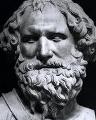 | Μη μου τους κύκλους τάραττε. Do not disturb my circles! — Archimedes, 287-212 BC, Ancient Greek mathematician & inventor (his last words to the Roman soldier who killed him) |  | Αγεωμέτρητος μηδείς εισίτω. Let no one untrained in geometry enter. — Motto over the entrance to Plato's Academy | 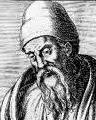 | Μη είναι βασιλικήν ατραπόν επί γεωμετρίαν. There is no royal road to geometry. — Eucliid, 4th-3rd cent. BC, Greek mathematician, the “father of geometry” (his answer to the king of Egypt Ptolemy, who asked for a shorter way to learn Geometry) | | Πάντα κατ’ αριθμόν γίγνονται. Everything is done according to numbers. — Pythagoras, 580-490 BC, Ancient Greek philosopher | | | |
|
|
|
| History | | Όλβιος όστις ιστορίης έσχεν μάθησιν. Lucky he who was taught history. — Euripides, 480-406 BC, Ancient Greek tragedian ‐ Antiope | | Γυνή τι δράσω; Πώς μόνη σωθήσομαι, ανάδελφος, απάτωρ, άφιλος; Being a woman, what can I do? How can I, alone, save myself without brother, without father, without friends? — Euripides, 480-406 BC, Ancient Greek tragedian ‐ Orestes | | | |
|
| Thinking | | Άνθρωπος: ο αναθρών ά όπωπε. Man: one who reflects upon what he has seen. — Plato, 427-347 BC, Ancient Greek philosopher | | Εις ευ φρονών μυρίων μη φρονούντων κρείττων εστί. One who thinks right is better than myriads who think wrong. — Plato, 427-347 BC, Ancient Greek philosopher | | Θείου νου το αεί τι διαλογίζεσθαι καλόν. It is the mark of a divine mind to be always contemplating something noble. — Democritus, 470-370 BC, Ancient Greek philosopher | | Νόει το πραττόμενον. Think what you are doing. — Bias of Priene, 625-540 BC, one of the 7 sages of Ancient Greece |  | Φρόνει τι κεδνόν. Think of something worthy. — Cleobulus, 6th cent. BC, Ancient Greek Poet, one of the 7 sages | | Μέγα το εν συμφορήσι, φρονέειν ά δει. it is important to think clearly in times of trouble. — Democritus, 470-370 BC, Ancient Greek philosopher | | | |
|
| Philosophy | | O δε ανεξέταστος βίος ου βιωτός ανθρώπω. A life which is not examined is not worth living. — Socrates, 469-399 BC, Ancient Geek Philosopher | | Ερωτηθείς τι αυτώ περιγέγονεν εκ φιλοσοφίας, έφη, «το δύνασθαι εαυτώ ομιλείν». When he was asked what advantage had accrued to him from philosophy, his answer was, “The ability to hold converse with myself.” — Antisthenes, 445-360 BC, Ancient Greek Cynic philosopher | | Εάν μη οι βασιλείς φιλοσοφήσουν, ουκ έστιν των δεινών παύλα. Until the kings become philosophers, there will be no end to the troubles of the states. — Plato, 427-347 BC, Ancient Greek philosopher | | Φιλοκαλούμεν γαρ μετ’ ευτελείας και φιλοσοφούμεν άνευ μαλακίας. We love beauty with simplicity and we philosophize without softness. — Thucydides, 460-394 BC, Ancient Greek historian (in Pericles' Funeral Oration) | | Ο μεν γεωργός, την γην, ο δε φιλόσοφος την ψυχήν εξημεροί. The farmer cultivates the earth, the philosopher cultivates the soul. — Theocritus, 3rd cent. BC, Ancient Greek poet | | Πειρώ τω μεν σώματι είναι φιλόπονος, τη δε ψυχή φιλόσοφος. Try to be hard-working with the body, and a philosopher with the soul. — Isocrates, 436-338 BC, Ancient Greek rhetorician | | | |
|
| Morality | | Μη δια φόβον, αλλά δια το δέον απέχεσθε αμαρτημάτων. Refrain from evil not out of fear, but because it is right. — Democritus, 470-370 BC, Ancient Greek philosopher | | Των περί τα ήθη φευκτών τρία εστίν είδη: κακία, ακρασία, θηριότης. Of moral states to be avoided there are three kinds: malice, incontinence, bestiality. — Aristotle, 384-322 BC, Ancient Greek philosopher | | | |
|