| Goals |  | Χαλεπώτερον το φυλάττειν του κτήσασθαι. It is more difficult to preserve than to acquire. — Demosthenes, 384-322 BC, Ancient Athenian & statesman orator |  | Το τα αδύνατα διώκειν μανικόν. Αδύνατον δε το τους φαύλους μη τοιαύτά τινα ποιείν. It is crazy to want what is impossible. And impossible for the wicked not to do so. — Marcus Aurelius, 121-180 AD, Roman Emperor ‐ Meditations V, 17 | 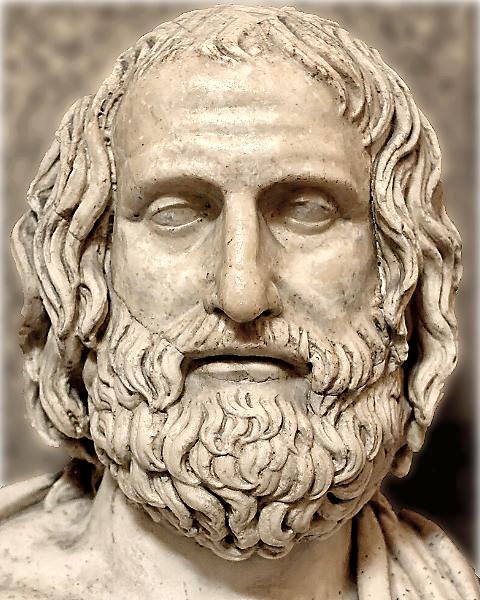 | Αλλ’ εις το κέρδος παρά φύσιν δουλευτέον. Yet, for a man to get what he wants, he must go against his own nature and act like a slave. — Euripides, 480-406 BC, Ancient Greek tragedian ‐ Phoenissae |  | Το δε ζητούμενον αλωτόν, εκφεύγειν δε ταμελούμενον. What we seek is attainable; what escapes us is what we don’t care about. — Sophocles, 496-406 BC, Ancient tragic poet | | | |
|
|
| Self-Improvement | | Μη ως μύρια μέλλων έτη ζην. Το χρεών επήρτηται. Έως ζης, έως έξεστιν, αγαθός γενού. Don’t live as if destined to live a thousand years. The inevitable end hangs over you. While you live, while it is in your power, be good. — Marcus Aurelius, 121-180 AD, Roman Emperor ‐ Meditations IV, 16 |  | Ει βούλει αγαθός είναι, πρώτον πίστευσον ότι κακός εί. If you want to become good, first believe that you are bad. — Epictetus, 50-120 AD, Ancient Greek Stoic philosopher | | | |
|
| Dreams | 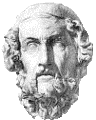 | Και γαρ τ' όναρ εκ Διός εστιν. Dreams come from Zeus. — Homer, c. 800-750 BC, Ancient Greek Poet ‐ Iliad I | 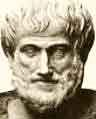 | Ερωτηθείς τι έστιν ελπίς, «Εγρηγορότος», είπεν, «ενύπνιον.» When asked what is hope, he said “the dream of a waking man.” — Aristotle, 384-322 BC, Ancient Greek philosopher | 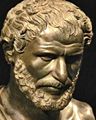 | Τοις εγρηγορόσιν ένα και κοινόν κόσμον είναι, των δε κοιμωμένων έκαστον εις ίδιον αποστρέφεσθαι. To the awake, one and the same world is common, but to the sleeping, each turns away into his own world. — Heraclitus, 544-484 BC, Ancient Greek philosopher | | | |
|
| Necessity |  | Ανάγκα ουδέ Θεοί μάχονται. Not even the gods fight necessity. — Simonides of Ceos, 556-468 BC, Ancient poet & author of epigrams | | Αιδώς δ’ ουκ αγαθή κεχρημένω ανδρί παρείναι. Timidity is not good for a man in need. — Homer, c. 800-750 BC, Ancient Greek Poet ‐ Odyssey XVII | 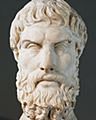 | Κακόν ανάγκη, αλλ’ ουδεμία ανάγκη ζην μετά ανάγκης. Necessity is a bad thing, but there is no necessity to live with necessity. — Epicurus, 341-270 BC, Ancient Greek philosopher |  | Πλειν ανάγκη, ζην ουκ ανάγκη. It is necessary to sail, it is not necessary to live. — Plutarch, 47-120 AD, Ancient Greek historian ‐ Πομπήιος (general Pompey to sailors who did not want to sail because of a storm) | | Πάντες δὲ θεών χατέουσ' άνθρωποι. All men need the gods. — Homer, c. 800-750 BC, Ancient Greek Poet ‐ Odyssey III |  | Το της ανάγκης εστί αδήριτον σθένος. The power of necessity is irresistible. — Aeschylus, 525-456 BC, Ancient Greek tragedian ‐ Prometheus Bound |  | Ισχυρότατον ανάγκη· κρατεί γαρ πάντων. Strongest is Necessity because it governs all things. — Thales of Miletus, 643-548 BC, Ancient Greek philosopher |  | Άπαντας αυτών κρείσσονας ανάγκη ποιεί. Necessity makes everybody stronger. — Menander, 4th cent. BC, Ancient Greek dramatist (New Comedy) | | Άνευ των αναγκαίων αδύνατον και ζην και ευ ζην. Without the essentials, it is impossible to live and live well. — Aristotle, 384-322 BC, Ancient Greek philosopher | | | |
|
|
|
|
|
| Hope |  | Θαρσείν χρη, τάχ’ αύριον έσσετ’ άμεινον. Eλπίδες εν ζωοίσιν, ανέλπιστοι δε θανόντες. You need to have courage, because tomorrow will be better. While there's life there’s hope, and only the dead have none. — Theocritus, 3rd cent. BC, Ancient Greek poet | | Εάν μη έλπηται ανέλπιστον, ουκ εξευρήσει. He who does not hope for the unexpected, will not find it. — Heraclitus, 544-484 BC, Ancient Greek philosopher | | Ερωτηθείς τι έστιν ελπίς, «Εγρηγορότος», είπεν, «ενύπνιον.» When asked what is hope, he said “the dream of a waking man.” — Aristotle, 384-322 BC, Ancient Greek philosopher | 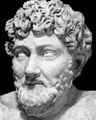 | Μακράς ελπίδας μισώ. I hate long lasting hopes. — Aesop, 620-560 BC, Ancient Greek fabulist | 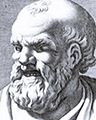 | Ελπίδες αι μεν των ορθά φρονεόντων εφικταί, αι δε των αξυνέτων αδύνατοι. The hopes of the wise are attainable, those of the stupid impossible. — Democritus, 470-370 BC, Ancient Greek philosopher | | Τι κοινότατον; Ελπίς. Και γαρ οίς άλλο μηδέν, αύτη παρέστη. What is common to all men? Hope. Because those who have nothing else possess hope still. — Thales of Miletus, 643-548 BC, Ancient Greek philosopher | 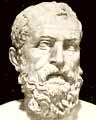 | Ελπίς γαρ η βόσκουσα τους πολλούς βροτών. It’s hope that shepherds most people. — Solon, 630-560 BC, Ancient Greek lawmaker & philosopher | 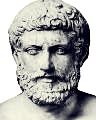 | Έλπιζε ως θνητός, φείδου ως αθάνατος. Hope as a mortal, be frugal as an immortal. — Periander of Corinth, 668-584 BC, tyrant of Corinth | | Πολλών ραγεισών ελπίδων μιάς τυχών. Many a hope hath made shipwreck, only one have I seen fulfilled. — Aeschylus, 525-456 BC, Ancient Greek tragedian ‐ Agamemnon | | | |
|
|
| Desire | | Μείζονες γαρ ορέξεις μείζονας ενδείας ποιεύουσιν. Excessive desires create excessive poverties. — Democritus, 470-370 BC, Ancient Greek philosopher | | Ου πενία λύπην εργάζεται, αλλά επιθυμία. Sorrow is not the result of poverty, but of desire. — Epictetus, 50-120 AD, Ancient Greek Stoic philosopher | | Γυνή γαρ ουδέν οίδε πλην ό βούλεται. Women know nothing excpet from what they want. — Menander, 4th cent. BC, Ancient Greek dramatist (New Comedy) | | Αλλ' ου Ζεὺς άνδρεσσι νοήματα πάντα τελευτά. But Zeus does not bring to accomplishment all thoughts in men's minds. — Homer, c. 800-750 BC, Ancient Greek Poet | | Βουλόμεθα πλουτείν πάντες αλλ’ ου δυνάμεθα. We all want to get rich but we cannot. — Menander, 4th cent. BC, Ancient Greek dramatist (New Comedy) | | Παιδός, ουκ ανδρός το αμέτρως επιθυμείν. Excessive desires are a characteristic of children, not men. — Democritus, 470-370 BC, Ancient Greek philosopher | | Αι περί τι σφοδραί ορέξεις τυφλούσιν εις τάλλα την ψυχήν. Fierce desire for one thing blinds the soul to other things. — Democritus, 470-370 BC, Ancient Greek philosopher | | Η του πλέονος επιθυμίη το παρεόν απόλλυσι. He who desires more loses what he has now. — Democritus, 470-370 BC, Ancient Greek philosopher | | Αύη ψυχὴ σοφωτάτη και αρίστη. A dry soul, without desires, is the wisest and best. — Heraclitus, 544-484 BC, Ancient Greek philosopher | | | |
|
|
|
| Promises | | Ουκ ανδρός όρκοι πίστις, αλλ’ όρκων ανήρ. It is not the oath that makes us believe the man, but the man the oath. — Aeschylus, 525-456 BC, Ancient Greek tragedian ‐ Fragments |  | Αφροδίσιος γαρ όρκος ουκ εμποίνιμος. An oath taken during sex is not valid. — Ancient Greek proverb | | Όρκους εγώ γυναικός εις ύδωρ γράφω. I inscribe the vows of a woman on water. — Sophocles, 496-406 BC, Ancient tragic poet | | Μικρά διδόναι μάλλον ή μεγάλα εγγυάν. Better to give a little than to promise a lot. — Democritus, 470-370 BC, Ancient Greek philosopher |  | Γεωμετρήσαι βούλομαι τον αέρα υμίν διελείν τε κατά γύας. I want to survey the air for you and parcel it into acres. — Aristophanes, 445-386 BC, Ancient Greek comic playwright ‐ Birds | | Πολλοί μεγάλα επαγγέλλονται, μηδέ μικρά ποιήσαι δυνάμενοι. Many promise big things, while they cannot even do small things. — Aesop, 620-560 BC, Ancient Greek fabulist | | Η γλώσσ’ ομώμοχ’ η δε φρην ανώμοτος. The tongue swore but my mind was still unpledged. — Euripides, 480-406 BC, Ancient Greek tragedian ‐ Hippolytus |  | Πράττε μεγάλα μη υπισχνούμενος μεγάλα. Do great things without promising great things. — Pythagoras, 580-490 BC, Ancient Greek philosopher | | | |
|
| Choices | | Βιοί γαρ ουδείς όν προαιρείται βίον. Nobody lives the life he chooses to live. — Menander, 4th cent. BC, Ancient Greek dramatist (New Comedy) | | Κακώς ζην κρείσσον ή καλώς θανείν. Better a bad life than a good death. — Euripides, 480-406 BC, Ancient Greek tragedian ‐ Iphigeneia at Aulis |  | Ζημίαν αιρού μάλλον ή κέρδος αισχρόν. Το μεν γαρ άπαξ λυπήσει, το δε αεί. Prefer loss to dishonest profit; the one will make you sad once, the other for ever. — Chilon of Sparta, 6th cent. BC, one of the 7 sages of Ancient Greece | | Φαγέτω με λέων και μη αλώπηξ. I would rather be eaten by a lion than by a fox. — Aesop, 620-560 BC, Ancient Greek fabulist | | Πόλεμος ένδοξος, ειρήνης αισχράς αιρετώτερος. A plausible war is preferable to a dishonorable peace. — Demosthenes, 384-322 BC, Ancient Athenian & statesman orator |  | Προς δύο ουδέ Ηρακλής. With two not even Hercules [got involved]. — Archilochus, 725-650 BC, Ancient Greek lyric poet |  | Αν μεν καλήν, έξεις κοινήν, αν δε αισχράν, έξεις ποινήν. If you marry a beautiful woman you will share her, if you marry an ugly one you will be punished. — Antisthenes, 445-360 BC, Ancient Greek Cynic philosopher | | | |
|
| Moderation | | Μέτρον άριστον. Moderation is best. — Cleobulus, 6th cent. BC, Ancient Greek Poet, one of the 7 sages | | Μηδέν Άγαν. Nothing in excess. — Chilon of Sparta, 6th cent. BC, one of the 7 sages of Ancient Greece | | Η μεσότης εν πάσιν ασφαλέστερον. The middleness in everything is more safe. — Menander, 4th cent. BC, Ancient Greek dramatist (New Comedy) |  | Μέτρα φυλάσσεσθαι· καιρός δ᾽ επί πάσιν άριστος. Observe due measure, for right timing is in all things the most important factor. — Hesiod, 7th cent. BC, Ancient Greek poet ‐ Works and Days -694 | | Δόξα και πλούτος άνευ συνέσεως ουκ ασφαλή κτήματα. Glory and wealth without moderation are not secured. — Democritus, 470-370 BC, Ancient Greek philosopher | | Ευτυχών μεν μέτριος ίσθι, ατυχών δε φρόνιμος. Be moderate in prosperity, prudent in adversity. — Periander of Corinth, 668-584 BC, tyrant of Corinth | | Μήτε ακούσιος ενέργει μήτε ακοινώνητος μήτε ανεξέταστος μήτε ανθελκόμενος. Μήτε κομψεία την διάνοιάν σου καλλωπιζέτω, μήτε πολυρρήμων μήτε πολυπράγμων έσο. Be not unwilling in what you do, neither selfish nor unadvised nor obstinate; let not over-refinement deck out your thought; be not wordy nor a busybody. — Marcus Aurelius, 121-180 AD, Roman Emperor ‐ Meditations III, 5 |  | Κακή γαρ αιδώς ένθα ταναιδές κρατεί. Modesty is bad where impudence prevails. — Diphilos, 4th/3rd cent. BC, Ancient Greek comedian | | Καλόν εν παντί το ίσον. Υπερβολή δε και έλλειψις ου μοι δοκέει. In everything, enough is good. Too much or too little do not seem so. — Democritus, 470-370 BC, Ancient Greek philosopher | | Εκ του βίου κράτιστόν εστιν υπεξελθείν ως εκ συμποσίου, μήτε διψώντα, μήτε μεθύοντα. The best way to exit life is as from a symposium: neither thirsty nor drunk. — Aristotle, 384-322 BC, Ancient Greek philosopher |  | Μη, φίλα ψυχά, βίον αθάνατον σπεύδε, ταν δ' έμπρακτον άντλει μαχανάν. O soul, do not seek an immortal life, but drain what is best from the life you have. — Pindar, 522-438 BC, Ancient Greek lyric poet | | | |
|
|
| Accomplishment | | Τοσούτου άξιος έκαστός εστιν, όσου άξιά εστι ταύτα περί ά εσπούδακεν. Every man is worth just so much as the things are worth about which he busies himself. — Marcus Aurelius, 121-180 AD, Roman Emperor ‐ Meditations VII, 3 | | | |
|
|
|
| Action | | Έργμασιν εν μεγάλοις, πάσιν αδείν χαλεπόν. In big projects it is difficult to please everyone. — Solon, 630-560 BC, Ancient Greek lawmaker & philosopher | | Έργω κ’ ουκέτι μύθω. By deeds, not words. — Aeschylus, 525-456 BC, Ancient Greek tragedian ‐ Prometheus Bound | | Δόκιμος ανήρ και αδόκιμος ουκ εξ ών πράσσει μόνον, αλλά και εξ ών βούλεται. We can tell the worthy and the unworthy not only from what they are doing but also from what they are thinking. — Democritus, 470-370 BC, Ancient Greek philosopher | | Τον λόγον είδωλον είναι των έργων. Speech is the mirror of action. — Solon, 630-560 BC, Ancient Greek lawmaker & philosopher | | Τις είναι θέλεις σαυτώ πρώτον ειπέ. Είθ’ ούτως ποίει ά ποιείς. First say to yourself what you would be; and then do what you have to do. — Epictetus, 50-120 AD, Ancient Greek Stoic philosopher | | Εφ’ εκάστου έργου, σκόπει τα καθηγούμενα και τα ακόλουθα αυτού και ούτως έρχου επ’ αυτού. For every action consider what has led to it and what follows it and thus proceed. — Epictetus, 50-120 AD, Ancient Greek Stoic philosopher |  | Γνους πράττε. Act knowing. — Pittacus of Mytilene, 650-570 BC, one of the 7 sages of Ancient Greece | 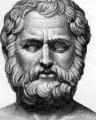 | Βραδέως εγχείρει· ό δ᾽ αν άρξη, διαβεβαιού. Be slow in considering, but resolute in action. — Bias of Priene, 625-540 BC, one of the 7 sages of Ancient Greece | | Λόγος γαρ έργου σκιή. Speaking is the shadow of action. — Democritus, 470-370 BC, Ancient Greek philosopher | | Δίκαια δράσας, συμμάχους έξεις θεούς. If your actions have a just cause, you will have the gods as allies. — Menander, 4th cent. BC, Ancient Greek dramatist (New Comedy) | | Έργα μεν νεωτέρων, βουλαί δ’ έχουσι των γεραιτέρων κράτος. The actions of the young and the decisions of the older worth more. — Euripides, 480-406 BC, Ancient Greek tragedian ‐ Melanippe | | Έργοις φιλόπονος ίσθι, μη λόγοις μόνον. Be industrious in actions not only in words. — Menander, 4th cent. BC, Ancient Greek dramatist (New Comedy) | | Λόγος γαρ τούργον ου νικά ποτέ. For words never defeat action. — Euripides, 480-406 BC, Ancient Greek tragedian ‐ Alcmene | | | |
|
|
| Doing | | Ουδεὶς ό νοείς μεν οίδεν, ό δε ποιείς βλέπει. Nobody knows what you think, but [everybody] sees what you do. — Menander, 4th cent. BC, Ancient Greek dramatist (New Comedy) | | Άλλοις γαρ τ’ άλλοισιν ανήρ επιτέρπεται έργοις. Each man delights in the work that suits him best. — Homer, c. 800-750 BC, Ancient Greek Poet ‐ Odyssey XIV | | Νόει το πραττόμενον. Think what you are doing. — Bias of Priene, 625-540 BC, one of the 7 sages of Ancient Greece | | Πράττων τα σαυτού, μη τα των άλλων σκόπει. While you do what you have to do, don’t pay attention to what the others are doing. — Menander, 4th cent. BC, Ancient Greek dramatist (New Comedy) | | Τι ποιείς, άνθρωπε; Τούτο ου δει προλέγειν. Αυτό φανήσεται. You don't have to talk about what you're doing beforehand. This will be seen anyway. — Marcus Aurelius, 121-180 AD, Roman Emperor ‐ Meditations XI, 15 | | Το πολλά πράττειν πολλάς και λύπας έχει. Doing many things brings many regrets. — Menander, 4th cent. BC, Ancient Greek dramatist (New Comedy) | | Ο μέλλεις πράττειν μη πρόλεγε, αποτυχών γαρ γελασθήση. Do not say before hand what you are going to do; for if you fail, you will be laughed at. — Pittacus of Mytilene, 650-570 BC, one of the 7 sages of Ancient Greece | | | |
|
| Effort | | Χαλεπά τα καλά. Good things are difficult. — Ancient Greek phrase | | Αρετής προπάροιθε ιδρώτα θεοί αθάνατοι θήκαν. The gods have placed sweat before value. — Hesiod, 7th cent. BC, Ancient Greek poet ‐ Works and Days -289 | | Πόνος ευκλείας πατήρ. Hard work is the father of good reputation. — Ancient Greek proverb | | Συν μυρίοισι τα καλά γίγνεται πόνοις. Good things are achieved through myriads efforts. — Euripides, 480-406 BC, Ancient Greek tragedian ‐ Archelaus | | Μικρού δ’ αγώνος ου μέγα έρχεται κλέος. Little effort will not bring much glory. — Sophocles, 496-406 BC, Ancient tragic poet | | Οι πολλά βάλλοντες επιτυγχάνουσι πολλάκις. Those who try a lot succeed a lot. — Plutarch, 47-120 AD, Ancient Greek historian | | Δημοσθένης ερωτηθείς «πώς της ρητορικής περιγένου»; «Πλέον», έφη, «έλαιον οίνου δαπανήσας». Demosthenes when asked how he became successful in rhetoric, replied “By spending more on oil than on wine.” — Demosthenes, 384-322 BC, Ancient Athenian & statesman orator | | Ουδείς ων ράθυμος ευκλεής ανήρ, άλλ’ οι πόνοι τίκτουσι την ευδοξίαν. No one who is slack gains a good reputation; it is hard work that leads to excellence. — Euripides, 480-406 BC, Ancient Greek tragedian ‐ Archelaos | 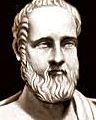 | Δαπανώμενος εφ’ ά μη δει, ολίγος έση εφ’ ά δει. Spending efforts for things you shouldn't, you will be inadequate for things you should. — Isocrates, 436-338 BC, Ancient Greek rhetorician | 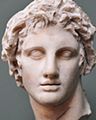 | Πονούντων και κινδυνευόντων τα καλά και μεγάλα έργα. Beautiful and great works are for those who toil and take risks. — Alexander the Great, 356-323 BC, King of Macedon |  | Των πόνων πωλούσιν ημίν πάντα ταγάθ’ οι θεοί. The gods sell us their goods for the price of hard work and pain. — Epicharmus of Kos, 530-440 BC, Ancient Greek poet | | | |
|
| Experience | | Πάθει μάθος. Learning by suffering. — Aeschylus, 525-456 BC, Ancient Greek tragedian ‐ Agamemnon | | Εκδιδάσκει πάνθ’ ο γηράσκων χρόνος. Time as he grows old teaches all things. — Aeschylus, 525-456 BC, Ancient Greek tragedian ‐ Prometheus Bound | | Ανήρ έννους τα καινά τοις πάλαι τεκμαίρεται. The wise man understands the new things based on the old things. — Sophocles, 496-406 BC, Ancient tragic poet | | Η μεν εμπειρία τέχνην εποίησεν, η δ’ απειρία τύχην. Experience created the art but inexperience created the luck. — Aristotle, 384-322 BC, Ancient Greek philosopher | | Η εμπειρία της απειρίας κρατεί. Experience defeats inexperience. — Euripides, 480-406 BC, Ancient Greek tragedian ‐ Peleus | | | |
|
| Change | | Τα πάντα ρει και ουδέν μένει. Everything flows, nothing stands still. — Heraclitus, 544-484 BC, Ancient Greek philosopher | | Ο κόσμος αλλοίωσις, ο βίος υπόληψις. The universe is change; our life is what our thoughts make it. — Marcus Aurelius, 121-180 AD, Roman Emperor ‐ Meditations IV, 3 | | Ποταμώ ουκ έστιν εμβήναι δις τω αυτώ. No man can step twice into the same river. — Heraclitus, 544-484 BC, Ancient Greek philosopher | | Μεταβολή δε πάντων γλυκύ. In all things, change is sweet. — Aristotle, 384-322 BC, Ancient Greek philosopher | | Φοβείταί τις μεταβολήν; τι γαρ δύναται χωρίς μεταβολής γενέσθαι; Is somebody afraid of change? But what can take place without change? — Marcus Aurelius, 121-180 AD, Roman Emperor ‐ Meditations VII, 18 | | Πάντα εν μεταβολήι· και αυτός συ εν διηνεκεί αλλοιώσει και κατά τι φθορά, και ο κόσμος δε όλος. All things are in the process of changing; and you yourself are in continuous mutation and in continuous wear and the whole universe too. — Marcus Aurelius, 121-180 AD, Roman Emperor ‐ Meditations IX, 19 | | Άλλος βίος, άλλη δίαιτα. Another life, another way of life. — Ancient Greek phrase | | Έστιν η λίαν δυσπραξία λίαν διδούσα μεταβολάς. Usually, very difficult situations also bring about big changes. — Euripides, 480-406 BC, Ancient Greek tragedian | | Μεταβολή πάντων γλυκύ. In all things change is sweet. — Euripides, 480-406 BC, Ancient Greek tragedian ‐ Orestes | | Πολλαί μεταβολαί γίνονται και παντοίαι τύχαι κατά τον βίον. Many changes happen and various fortunes overturn in life. — Aristotle, 384-322 BC, Ancient Greek philosopher | | | |
|
| Readiness | | Η βιωτική τη παλαιστική ομοιοτέρα ήπερ τῃ ορχηστική κατά το προς τα εμπίπτοντα και ου προεγνωσμένα έτοιμος και απτώς εστάναι. The art of life is more like the wrestler's art than the dancer's, in respect of this, that it should stand ready and firm to meet onsets which are sudden and unexpected. — Marcus Aurelius, 121-180 AD, Roman Emperor ‐ Meditations VII, 61 | | Ουκ αεί θέρος εσσείται, ποιείσθε καλιάς. It will not always be summer, build barns. — Hesiod, 7th cent. BC, Ancient Greek poet ‐ Works and Days -503 | | | |
|
| Diligence | | Έσω βλέπε· μηδενός πράγματος μήτε η ιδία ποιότης μήτε η αξία παρατρεχέτω σε. Look beneath the surface; let not the inherent quality of a thing nor its worth escape you. — Marcus Aurelius, 121-180 AD, Roman Emperor ‐ Meditations VI, 3 | | Μηδέν της τύχης, αλλά πάντα της ευβουλίας και της προνοίας. Nothing depends on luck, but all on good judgment and diligence. — Plutarch, 47-120 AD, Ancient Greek historian | | Τη επιμελεία πάντα δούλα γίγνεται. We can get on top of everything by diligence. — Antiphanes, 405-335 BC, Ancient comic poet | | Αλωτά γίγνεται επιμελεία και πόνω άπαντα. Everything is achievable through diligence and effort. — Menander, 4th cent. BC, Ancient Greek dramatist (New Comedy) | | Τα χαλεπά ταις επιμελείαις αλίσκεται. Difficulties are overcome with diligence. — Plutarch, 47-120 AD, Ancient Greek historian | | | |
|
| Persistence | | Ει γαρ κεν και σμικρόν επί σμικρώ καταθείο και θαμά τούτ᾽ έρδοις, τάχα κεν μέγα και το γένοιτο. If you should put even a little on a little, and should do this often, soon this too would become big. — Hesiod, 7th cent. BC, Ancient Greek poet ‐ Works and Days -361 | | | |
|
| Opportunity | | Καιρόν γνώθι. Know the right time. — Pittacus of Mytilene, 650-570 BC, one of the 7 sages of Ancient Greece | 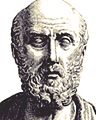 | Χρόνος εστίν εν ώ καιρός, και καιρός εν ώ χρόνος ου πολύς. Time is that wherein there is opportunity, and opportunity is that wherein there is no great time — Hippocrates, 460-370 BC, Ancient Greek physician, the “Father of Medicine” | | Ουκ έστιν ούτως ασφαλής πλούτου πυλεών, όν ουκ ανοίγει τύχης καιρός. There is no gate to wealth so secure that could not be opened by a lucky opportunity. — Democritus, 470-370 BC, Ancient Greek philosopher | | | |
|
|
| Willingness | | Μήτε ακούσιος ενέργει μήτε ακοινώνητος μήτε ανεξέταστος μήτε ανθελκόμενος. Μήτε κομψεία την διάνοιάν σου καλλωπιζέτω, μήτε πολυρρήμων μήτε πολυπράγμων έσο. Be not unwilling in what you do, neither selfish nor unadvised nor obstinate; let not over-refinement deck out your thought; be not wordy nor a busybody. — Marcus Aurelius, 121-180 AD, Roman Emperor ‐ Meditations III, 5 | | | |
|
| Ways & Means | | Δει γαρ την μεν τέχνην χρήσθαι τοις οργάνοις, την δε ψυχήν τω σώματι. Each art must use its tools, each body its soul. — Aristotle, 384-322 BC, Ancient Greek philosopher | 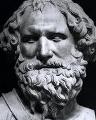 | Δως μοι πα στω και ταν γαν κινάσω. Give me a place to stand and I shall move the earth. — Archimedes, 287-212 BC, Ancient Greek mathematician & inventor | | Η χειρ όργανόν εστιν οργάνων. The hand is the instrument of instruments. — Aristotle, 384-322 BC, Ancient Greek philosopher | 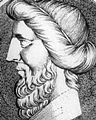 | Αν μη πηλόν τύψης, κέραμος ου γίνεται. If you do not hit the clay, you cannot make tile. — Archytas, 428-347 BC, Ancient philosopher & statesman | | Διάφοροι δε φύσεις βροτών, διάφοροι δε τρόποι. As the men’s nature differ, so do their ways. — Euripides, 480-406 BC, Ancient Greek tragedian ‐ Iphigeneia at Aulis | | Οκόσα φάρμακα ουκ ιήται, σίδηρος ιήται, όσα σίδηρος ουκ ιήται, πυρ ιήται όσα δε πυρ ουκ ιήται, ταύτα χρη νομίζειν ανίατα. Those diseases which medicines do not cure, iron cures; those which iron cannot cure, fire cures; and those which fire cannot cure, are to be reckoned wholly incurable. — Hippocrates, 460-370 BC, Ancient Greek physician, the “Father of Medicine” (iron=knife, fire=searing iron) | | Ες δε τα έσχατα νουσήματα αι έσχαται θεραπείαι ες ακριβείην, κράτισται. Extreme remedies are the best for extreme diseases. — Hippocrates, 460-370 BC, Ancient Greek physician, the “Father of Medicine” | | Άνθρωποι βίου δεόμενοι, πολλά και παντοία τεχνέονται. People, to make a living, devise many and varied things. — Hippocrates, 460-370 BC, Ancient Greek physician, the “Father of Medicine” | | | |
|
| Adversity | | Ανδρείη τας άτας μικράς έρδει. Courage makes misfortunes seem small. — Democritus, 470-370 BC, Ancient Greek philosopher | | Ουδείς δε θνητών ταις τύχαις ακήρατος. There is not a man alive who has wholly escaped misfortune. — Euripides, 480-406 BC, Ancient Greek tragedian ‐ Heracles | | Ατυχή είναι τον ατυχίαν μη φέροντα. It is misfortune not to be able to bear misfortune. — Bias of Priene, 625-540 BC, one of the 7 sages of Ancient Greece | | Οι εκούσιοι πόνοι την των ακουσίων υπομονήν ελαφροτέραν παρασκευάζουσι. Efforts performed willingly give patience to endure what happens unwillingly. — Democritus, 470-370 BC, Ancient Greek philosopher | | Ευτυχών μεν μέτριος ίσθι, ατυχών δε φρόνιμος. Be moderate in prosperity, prudent in adversity. — Periander of Corinth, 668-584 BC, tyrant of Corinth | | Ση πατρίς εν γαρ τοις πόνοισιν αύξεται. Your country becomes great when in trouble. — Euripides, 480-406 BC, Ancient Greek tragedian ‐ The Suppliants | | Έστιν η λίαν δυσπραξία λίαν διδούσα μεταβολάς. Usually, very difficult situations also bring about big changes. — Euripides, 480-406 BC, Ancient Greek tragedian | | Συν τοίσι δεινοίς αύξεται κλέος βροτοίς. With such adversity the glory of men grows. — Euripides, 480-406 BC, Ancient Greek tragedian | | Των πόνων πωλούσιν ημίν πάντα ταγάθ’ οι θεοί. The gods sell us their goods for the price of hard work and pain. — Epicharmus of Kos, 530-440 BC, Ancient Greek poet | | | |
|
| Easiness | | Ο δ’ εύκολος μεν ενθάδ’ εύκολος δ’ εκεί. He was easy here, will be easy there. — Aristophanes, 445-386 BC, Ancient Greek comic playwright ‐ Frogs (about the deceased Sophocles) | 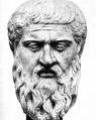 | Eυ αν έχοι ... ει τοιούτον είη η σοφία ωστ᾽ εκ του πληρεστέρου εις το κενώτερον ρειν ημών… I only wish that wisdom were the kind of thing that flowed … from the vessel that was full to the one that was empty. — Plato, 427-347 BC, Ancient Greek philosopher | 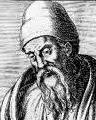 | Μη είναι βασιλικήν ατραπόν επί γεωμετρίαν. There is no royal road to geometry. — Eucliid, 4th-3rd cent. BC, Greek mathematician, the “father of geometry” (his answer to the king of Egypt Ptolemy, who asked for a shorter way to learn Geometry) | | Θεός συνεργός, πάντα ποιεί ραδίως. When God helps you, he makes everything easy. — Menander, 4th cent. BC, Ancient Greek dramatist (New Comedy) | | | |
|
| Problems & Solutions | | Ό,τι δεν λύεται κόπτεται. What cannot be resolved, it is cut. — Alexander the Great, 356-323 BC, King of Macedon (cutting the Gordian Knot) | | Πάντ’ εστίν εξευρείν, αν μη τον πόνον φεύγη τις. There is always a way if one does not avoid hard work. — Demosthenes, 384-322 BC, Ancient Athenian & statesman orator | | Ες δε τα έσχατα νουσήματα αι έσχαται θεραπείαι ες ακριβείην, κράτισται. Extreme remedies are the best for extreme diseases. — Hippocrates, 460-370 BC, Ancient Greek physician, the “Father of Medicine” | | | |
|
|
|
|
| Synergies | | Πεποίηκά τι κοινωνικώς; ουκούν ωφέλημαι. I did something for the society. Therefore I benefited myself. — Marcus Aurelius, 121-180 AD, Roman Emperor ‐
Meditations XI,4 | | Το τω σμήνει μη συμφέρον ουδὲ τη μελίσση συμφέρει. What is not good for the swarm is not good for the bee. — Marcus Aurelius, 121-180 AD, Roman Emperor ‐ Meditations VI, 54 | | Από ομονοίης τα μεγάλα έργα. From concord come the great achievements. — Democritus, 470-370 BC, Ancient Greek philosopher | | Σμικρὸς εν σμικροίς, μέγας εν μεγάλοις έσομαι. Small among the small, I shall be great among the great. — Pindar, 522-438 BC, Ancient Greek lyric poet | | | |
|
| Teamwork | | Μία μέλισσα μέλι ου ποιεί. One bee alone does not make honey. — Ancient Greek phrase | | Η ισχύς εν τη ενώσει. The strength lies in the union. — Aesop, 620-560 BC, Ancient Greek fabulist | | Γεγόναμεν γαρ προς συνεργίαν ως πόδες, ως χείρες, ως βλέφαρα, ως οι στοίχοι των άνω και κάτω οδόντων. Το ουν αντιπράσσειν αλλήλοις παρά φύσιν. We were born for mutual assistance, as the feet, the hands, the eyelids, as the rows of the upper and under teeth. So to fight each other is not natural. — Marcus Aurelius, 121-180 AD, Roman Emperor ‐ Meditations ΙΙ, 1 |  | Και τοις θηρίοις πόθος εγγίγνεται των συντρόφων. Even the animals desire to have companions. — Xenophon, 430-355 BC, Ancient Greek soldier & historian | | | |
|
| Work | | Εξ εργασίας θηριώδους ουσίας μεν πλήθος συσσωρεύεται, βίος δε ταλαίπωρος συνίσταται. A large fortune is accumulated by extremely hard work, but [thus] life becomes miserable. — Epicurus, 341-270 BC, Ancient Greek philosopher | | Έργον δ’ ουδέν όνειδος, αεργίη δε τ’ όνειδος. Work is no disgrace: it is idleness which is a disgrace. — Hesiod, 7th cent. BC, Ancient Greek poet ‐ Works and Days -311 | | Πόνου μεταλλαχθέντος, πόνοι γλυκείς. Variety at work, makes the work sweet. — Sophocles, 496-406 BC, Ancient tragic poet | | Οι φειδωλοί τον της μελίσσης οίτον έχουσιν εργαζόμενοι ως αεί βιωσόμενοι. Misers have the fate of the bee working as if they are going to live for ever. — Democritus, 470-370 BC, Ancient Greek philosopher | | Φιλεί δε τω κάμνοντι συσπεύδειν θεός. God loves to assist the man who works hard. — Aeschylus, 525-456 BC, Ancient Greek tragedian | | Ω πολλά μισηθείσα χειρωναξία! Oh handicraft that I hate so much! — Aeschylus, 525-456 BC, Ancient Greek tragedian ‐ Prometheus Bound | | Τας τύχας εκ των πόνων εράν. Seek your fortunes by hard work. — Euripides, 480-406 BC, Ancient Greek tragedian | | Το μεν εργάζεσθαι αγαθόν το δε αργείν κακόν. Work is good, but idleness is bad. — Xenophon, 430-355 BC, Ancient Greek soldier & historian | | | |
|
| Doctors | | Ο βίος βραχύς, η δε τέχνη μακρή, ο δε καιρός οξύς, η δε πείρα σφαλερή, η δε κρίσις χαλεπή. Life is short and Art long; the opportunity fleeting, experience deceitful, and judgment difficult. — Hippocrates, 460-370 BC, Ancient Greek physician, the “Father of Medicine” (the first phrase in the “Aphorisms”) | | Ουκ ένι ιατρικήν είδέναι, όστις μη οίδεν ό τι εστίν άνθρωπος. It is not possible to know medicine without knowing what a human is. — Hippocrates, 460-370 BC, Ancient Greek physician, the “Father of Medicine” | | Ασκείν περί τα νοσήματα δύο, ωφελείν ή μη βλάπτειν. As to diseases, make a habit of two things, to help, or at least, to do no harm. — Hippocrates, 460-370 BC, Ancient Greek physician, the “Father of Medicine” | | Οκόσα φάρμακα ουκ ιήται, σίδηρος ιήται, όσα σίδηρος ουκ ιήται, πυρ ιήται όσα δε πυρ ουκ ιήται, ταύτα χρη νομίζειν ανίατα. Those diseases which medicines do not cure, iron cures; those which iron cannot cure, fire cures; and those which fire cannot cure, are to be reckoned wholly incurable. — Hippocrates, 460-370 BC, Ancient Greek physician, the “Father of Medicine” (iron=knife, fire=searing iron) | | Ιητρὸς γαρ ανήρ πολλών αντάξιος άλλων. A physician is worth more than several other men put together. — Homer, c. 800-750 BC, Ancient Greek Poet ‐ Iliad XI | | Ες δε τα έσχατα νουσήματα αι έσχαται θεραπείαι ες ακριβείην, κράτισται. Extreme remedies are the best for extreme diseases. — Hippocrates, 460-370 BC, Ancient Greek physician, the “Father of Medicine” | | Άλλων ιατρός, αυτός έλκεσι βρύων. Being a doctors for the others, he is himself full of ulcers. — Ancient Greek phrase | | Φιλούσι ιατροί λέγειν τά φαύλα μείζω. The doctors like to overstate the bad things. — Ancient Greek proverb | | Ει μη ιατροί ήσαν, ουδέν αν ην των γραμματικών μωρότερων. If doctors did not exist, there would be none more stupid than teachers. — Athenaeus, 2nd-3rd cent. AD, Ancient Greek writer from Egypt | | Ουκ ένι ιατρικήν είδέναι, όστις μη οίδεν ό τι εστίν άνθρωπος. It is not possible to know medicine without knowing what a human is. — Hippocrates, 460-370 BC, Ancient Greek physician, the “Father of Medicine” | | | |
|
|
|
| Leadership |  | Τον άρχοντα τριών δει μέμνησθαι: Πρώτον ότι ανθρώπων άρχει. Δεύτερον ότι κατά νόμους άρχει. Τρίτον ότι ουκ αεί άρχει. Every ruler must remember three things. Firstly, that he rules men; secondly, that he rules according to law, and thirdly, that he does not rule for ever. — Agathon, 450-400 BC, Ancient Greek tragic poet | | Φιλεί ωδίνας τίκτειν νυξ κυβερνήτη σοφώ. The night likes to cause pain to the wise ruler. — Aeschylus, 525-456 BC, Ancient Greek tragedian ‐ Libation bearers | | Άρχεσθαι μαθών άρχειν επιστήσει. He who has learned how to obey will know how to command. — Solon, 630-560 BC, Ancient Greek lawmaker & philosopher | | Πόλλ’ ανδρί βασιλεί και στρατηλάτη μέλει. A king and a general has many cares. — Euripides, 480-406 BC, Ancient Greek tragedian ‐ Iphigeneia at Aulis | | Ουκ αγαθόν πολυκοιρανίη. Είς κοίρανος έστω, είς βασιλεύς. Many leaders is not a good thing. Let there be one ruler, one king. — Homer, c. 800-750 BC, Ancient Greek Poet ‐ Iliad II | | Τον άρχοντα χρήναι μηδέν φρονείν θνητόν, αλλά πάντ’ αθάνατα. A ruler should consider nothing mortal, but everything immortal. — Chilon of Sparta, 6th cent. BC, one of the 7 sages of Ancient Greece | | Ερέτην χρήναι πρώτα γενέσθαι πριν πηδαλίοις επιχειρείν. You should have served as an oarsman before you try to take the helm. — Aristophanes, 445-386 BC, Ancient Greek comic playwright ‐ Knights | | Ουχ εύδει ποιμήν. The shepherd does not sleep. — Ancient Greek phrase | | Πολλάκι και ξύμπασα πόλις κακού ανδρός απηύρα. Often an entire city has suffered because of an evil man. — Hesiod, 7th cent. BC, Ancient Greek poet ‐ Works and Days -240 | | | |
|
|
| Money | | Ως τοις θανούσι πλούτος ουδέν ωφελεί. For wealth is useless to the dead. — Aeschylus, 525-456 BC, Ancient Greek tragedian ‐ Persians | | Ανήρ δίκαιος πλούτον ουκ έχει ποτέ. A fair man never becomes rich. — Menander, 4th cent. BC, Ancient Greek dramatist (New Comedy) | | Δόξα δε χρημάτων ουκ ωνητή. You cannot buy glory with money. — Isocrates, 436-338 BC, Ancient Greek rhetorician | | Ο χρημάτων παντελών ήσσων ουκ αν ποτέ είη δίκαιος. A man completely enslaved to money will never be just. — Democritus, 470-370 BC, Ancient Greek philosopher | | Μηδέν χρημάτων ένεκα πράττειν. Do nothing only for money. — Periander of Corinth, 668-584 BC, tyrant of Corinth |  | Έστιν ο πόλεμος ουχ όπλων το πλέον, αλλά δαπάνης. War is a matter not so much of arms as of expenditure. — Thucydides, 460-394 BC, Ancient Greek historian | | Νεύρα πολέμου χρυσός. Gold is the nerves of the war. — Pindar, 522-438 BC, Ancient Greek lyric poet | | Εάν δ’ έχωμεν χρήμαθ’, έξομεν φίλους If we have money, we shall have friends. — Menander, 4th cent. BC, Ancient Greek dramatist (New Comedy) | 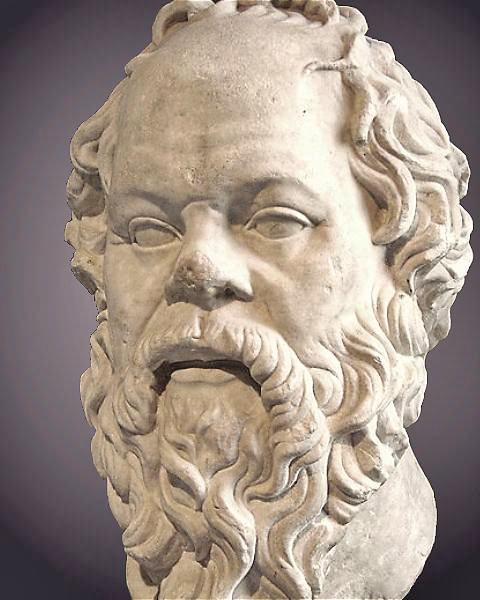 | Ούτε ίππω χωρίς χαλινού ούτε πλούτω χωρίς λογισμού δυνατόν ασφαλώς χρήσασθαι. It is not safe to handle neither a horse without bridle nor wealth without thinking. — Socrates, 469-399 BC, Ancient Geek Philosopher | | Δει δε χρημάτων, και άνευ τούτων ουδέν εστι γενέσθαι των δεόντων. Tis money we need; for without money nothing can be done. — Demosthenes, 384-322 BC, Ancient Athenian & statesman orator | | Ο πλούτος, ανθρωπίσκε, τοις σοφοίς θεός, τα δ’ άλλα κόμποι και λόγων ευμορφία. Wealth, little man, is the god of the wise, the rest is show and fancy talk. — Euripides, 480-406 BC, Ancient Greek tragedian ‐ Cyclops |  | Τα χρήματα τοις πλουσίοις η τύχη ου δεδώρηται, αλλά δεδάνικεν. Fortune did not give money to the rich, but lent it. — Bion of Borysthenes, c. 325-255 BC, Ancient Greek Cynic philosopher | | Η φιλοχρημοσύνη μήτηρ κακότητος απάσης. Love of money is the mother of all bad. — Phocylides, c. 5th cent. BC, Ancient Greek poet | | Κλάετ’ ω ‘βολοστάται, αυτοί τε και ταρχαία και τόκοι τόκων. Weep, moneylenders, yourselves and your money and your interest’s interest. — Aristophanes, 445-386 BC, Ancient Greek comic playwright ‐ Clouds | | Μη πλούτον είπης. Ουχί θαυμάζω θεόν, όν χω κάκιστος ραδίως εκτήσατο. Speak not of wealth. I cannot admire a god whom even the wickedest man can get into a hold. — Euripides, 480-406 BC, Ancient Greek tragedian ‐ Aeolus | | Χρήματα δ᾽ ουχ αρπακτά. Θεόσδοτα πολλόν αμείνω. Wealth should not be seized; god-given wealth is much better. — Hesiod, 7th cent. BC, Ancient Greek poet ‐ Works and Days -320 | | Πλην πλούτου, παντός χρήματος εστι κόρος. In all things there is saturation except wealth. — Theognis of Megara, 6th cent. BC, Ancient Greek poet | | Πλούτος ασθενής άγκυρα. Wealth is a weak anchor. — Pythagoras, 580-490 BC, Ancient Greek philosopher | | | |
|
| The Rich | | Ουκ εισίν οι παμπλούσιοι αγαθοί. The very rich are not good. — Plato, 427-347 BC, Ancient Greek philosopher | | Πολλοί τοι πλουτούσι κακοί, αγαθοί δε πένονται. Αλλ᾽ ημείς τούτοις ού διαμειψόμεθα της αρετής τον πλούτον. For often evil men are rich, and good men poor. But we will not exchange with them our virtue for their wealth. — Solon, 630-560 BC, Ancient Greek lawmaker & philosopher | | Τον κόρον υπό του πλούτου γεννάσθαι, την δε ύβριν υπό του κόρου. Satiety comes of riches and hubris comes of satiety. — Solon, 630-560 BC, Ancient Greek lawmaker & philosopher | | Σκαιόν το πλουτείν κ’ άλλο μηδέν ειδέναι. It’s terrible to become rich and to know nothing else. — Euripides, 480-406 BC, Ancient Greek tragedian | | Πλούτος από κακής εργασίης περιγενόμενος επιφανέστερον το όνειδος κέκτηται. Riches derived from evil deeds make the disgrace more conspicuous. — Democritus, 470-370 BC, Ancient Greek philosopher | | Τι εστί πλούτος; Θησαυρός κακών, εφόδιον ατυχημάτων, χορηγία πονηρίας. What is wealth? A treasury of evils, a supply of bad luck, a gift of wickedness. — Chilon of Sparta, 6th cent. BC, one of the 7 sages of Ancient Greece | | Προς γαρ τον έχοντα ο φθόνος έρπει. Envy crawls towards the rich man. — Sophocles, 496-406 BC, Ancient tragic poet ‐ Αίας | | Αι μεν ποδήρεις εσθήτες τα σώματα, αι δε υπέρμετροι περιουσίαι τας ψυχάς εμποδίζουσιν. Long garments hinder the body; excessive wealth hinders the soul. — Socrates, 469-399 BC, Ancient Geek Philosopher | | | |
|
| Possessions | | Εξ εργασίας θηριώδους ουσίας μεν πλήθος συσσωρεύεται, βίος δε ταλαίπωρος συνίσταται. A large fortune is accumulated by extremely hard work, but [thus] life becomes miserable. — Epicurus, 341-270 BC, Ancient Greek philosopher | | Σοφία μόνον κτημάτων αθάνατον. Of all our possessions, wisdom alone is immortal. — Isocrates, 436-338 BC, Ancient Greek rhetorician | | Άριστον ανδρί κτήμα συμπαθής γυνή. The best possession of a man is a sympathetic woman. — Euripides, 480-406 BC, Ancient Greek tragedian ‐ Antigone | | Μισεί γαρ ο θεός την βίαν, τα κτητά δε κτάσθαι κελεύει πάντας ουκ ες αρπαγάς. God hates violence and bids all men acquire their possessions without stealing. — Euripides, 480-406 BC, Ancient Greek tragedian ‐ Helen | | Ου το ζην περί πλείστου ποιητέον, αλλά το ευ ζην. One should not value living with many possessions, but living well. — Plato, 427-347 BC, Ancient Greek philosopher | | | |
|
|
|
| Profits & Gains | | Τα πονηρά κέρδη τας μεν ηδονάς έχει μικράς, τας δε λύπας μακράς. Dishonest gain has short pleasures and long sorrows. — Diphilos, 4th/3rd cent. BC, Ancient Greek comedian | | Ζημίαν αιρού μάλλον ή κέρδος αισχρόν. Το μεν γαρ άπαξ λυπήσει, το δε αεί. Prefer loss to dishonest profit; the one will make you sad once, the other for ever. — Chilon of Sparta, 6th cent. BC, one of the 7 sages of Ancient Greece | | Κέρδει κέρδος άλλο τίκτεται. Gain upon gain, and interest to boot! — Aeschylus, 525-456 BC, Ancient Greek tragedian ‐ Seven against Thebes | | Μη κακά κερδαίνειν: κακά κέρδεα ισ᾽ αάτησιν. Do not seek evil gains; evil gains are the equivalent of disaster. — Hesiod, 7th cent. BC, Ancient Greek poet ‐ Works and Days -352 | | Άπληστον το δια παντός κέρδος. Profit by any means is greed. — Pittacus of Mytilene, 650-570 BC, one of the 7 sages of Ancient Greece | | Κακά κέρδεα ζημίαν αρετής φέρει. Evil gains bring loss of virtue. — Democritus, 470-370 BC, Ancient Greek philosopher | | Τα πονηρά κέρδη τας μεν ηδονάς έχει μικράς, τας δε λύπας μακράς. Evil profits have short pleasures nut long sorrows. — Diphilos, 4th/3rd cent. BC, Ancient Greek comedian | | | |
|
|
|
|
| Food | | Οι μεν λοιποί ζώσιν ίνα εσθιώσιν, αυτός δε εσθίω ίνα ζω. Others live to eat, myself I eat to live. — Socrates, 469-399 BC, Ancient Geek Philosopher | | Τα φυτά των ζώων ένεκέν εστι και τα ζώα των ανθρώπων χάριν. Plants exist for the sake of animals and animals for the sake of men. — Aristotle, 384-322 BC, Ancient Greek philosopher |  | Ει μεν πλούσιος, όταν θέλη· ει δε πένης, όταν έχη. If a rich man, when you will; if a poor man, when you can. — Diogenes, 410-323 BC, Ancient Greek Cynic philosopher (his idea for the proper time for lunch) | | | |
|
| Pleasures | | Ηδονήν, μέγιστον κακού δέλεαρ. Pleasure, a most mighty lure to evil. — Plato, 427-347 BC, Ancient Greek philosopher | | Αι μεν ηδοναί φθαρταί, αι δε τιμαί αθάνατοι. Pleasures are transient, honors are immortal. — Periander of Corinth, 668-584 BC, tyrant of Corinth | | Ηδοναί άκαιροι τίκτουσιν αηδίας. Untimely pleasures produce aversion. — Democritus, 470-370 BC, Ancient Greek philosopher |  | Ει εθέλοι κατεσπουδάσθαι αιεί μηδέ ες παιγνίην το μέρος εωυτόν ανιέναι, λάθοι αν ήτοι μανείς ή ό γε απόπληκτος γενόμενος. If a man insisted always on being serious, and never allowed himself a bit of fun and relaxation, he would go mad or become unstable without knowing it. — Herodotus, 480-420 BC, Ancient Greek historian, the “ father of History” | | Αι μεν ηδοναί θνηταί αι δε αρεταί αθάνατοι. Pleasures are mortal while the virtues are immortal. — Periander of Corinth, 668-584 BC, tyrant of Corinth | | Χαλεπώτερον ηδονῇ μάχεσθαι ή θυμῷ. It is harder to fight against pleasure than against anger. — Heraclitus, 544-484 BC, Ancient Greek philosopher |  | Κρατεί ηδονής ουχ’ ο απεχόμενος, αλλ’ ο χρώμενος μεν, μη προεκφερόμενος δε. The continent man is not he who avoids pleasure, but having tasted it, is not carried to excess. — Aristippus, 435-355 BC, Ancient Greek philosopher | | Ηδονήν φεύγε, ήτις λύπην τίκτει. Avoid a pleasure which brings sorrow. — Solon, 630-560 BC, Ancient Greek lawmaker & philosopher | | Βραχεία τέρψις ηδονής κακής. The enjoyment from a cheap pleasure is short. — Euripides, 480-406 BC, Ancient Greek tragedian ‐ Erechtheus | | Ουκ έστιν όστις ηδέως ζητών βιούν εύκλειαν εισεκτήσατο. It is not possible to reach greatness by living a life of pleasure — Euripides, 480-406 BC, Ancient Greek tragedian ‐ Archelaus | | Εξ ηδονής γαρ φύεται το δυστυχείν. The root of misfortune is pleasure seeking. — Menander, 4th cent. BC, Ancient Greek dramatist (New Comedy) | | Μανείην μάλλον ή ησθείην. I'd rather be mad than seek pleasure. — Antisthenes, 445-360 BC, Ancient Greek Cynic philosopher | | Των ηδέων τα σπανιώτατα γινόμενα μάλιστα τέρπει. Among the things that give pleasure, the rarest give the greatest joy when they happen. — Democritus, 470-370 BC, Ancient Greek philosopher | | Ανήρ δ’ άβουλος ηδοναίς θηρεύεται. A weak man is caught by pleasures. — Menander, 4th cent. BC, Ancient Greek dramatist (New Comedy) | | Ηδονήν ου πάσαν, αλλά την επί τω καλώ αιρείσθαι χρεών. Do not seek every pleasure but choose the one which leads to something good. — Democritus, 470-370 BC, Ancient Greek philosopher | | Ελεύθερον αδύνατον είναι τον πάθεσι δουλεύοντα και υπό παθών κρατούμενον. It is impossible to be free if you are enslaved and dominated by your passions. — Pythagoras, 580-490 BC, Ancient Greek philosopher | | | |
|
|
|
| Drinking | | Κάτοπτρον είδους χαλκός εστί, οίνος δε νοός. Bronze is the mirror of the form; wine, of the heart. — Aeschylus, 525-456 BC, Ancient Greek tragedian | | Ανδρί δε κεκμηώτι μένος μέγα οίνος αέξει. When a man is exhausted, wine will build his strength. — Homer, c. 800-750 BC, Ancient Greek Poet ‐ Iliad VI | | Τω μεθύειν το εράν όμοιόν εστι. Ποιεί γαρ θερμούς και ιλαρούς και διακεχυμένους. Being drunk is the same with being in love: it makes people warm and cheerful and loose. — Plutarch, 47-120 AD, Ancient Greek historian | | Το εν τη καρδία του νήφοντος επί της γλώττης εστί του μεθύοντος. What is in the heart of the sober is in the mouth of the drunk. — Ancient Greek proverb | | Όταν πίνωσιν άνθρωποι τότε πλουτούσι, διαπράττουσι, νικώσιν δίκας, ευδαιμονούσιν, ωφελούσι τους φίλους. When men drink, they are rich, they are successful, they win, they are happy and they are helpful to their friends. — Aristophanes, 445-386 BC, Ancient Greek comic playwright ‐ Knights | | Δημοσθένης ερωτηθείς «πώς της ρητορικής περιγένου»; «Πλέον», έφη, «έλαιον οίνου δαπανήσας». Demosthenes when asked how he became successful in rhetoric, replied “By spending more on oil than on wine.” — Demosthenes, 384-322 BC, Ancient Athenian & statesman orator |  | Εν οίνω αλήθεια. In wine, there is truth. — Alcaeus of Mytilene, 7th-6th cent. BC, Ancient Greek lyric poet | | Αλλ’ εξένεγκέ μοι ταχέως οίνου χοά, τον νουν ιν’ άρδω και λέγω τι δεξιόν. Quickly, bring me a flagon of wine, to soak my brain and say something smart. — Aristophanes, 445-386 BC, Ancient Greek comic playwright |  | H άμπελος φέρει τρις βότρυς: τον πρώτον ηδονής, τον δεύτερον μέθης, τον τρίτον αηδίας. The vine bears three grapes: the first of pleasure, the second of intoxication, the third of disgust. — Anacharsis, 6th cent. BC, Scythian prince & philosopher | | | |
|
|
| Cause & Effect | | Άνευ αιτίου ουδέν εστιν. Nothing is without a cause. — Aristotle, 384-322 BC, Ancient Greek philosopher | | Μηδέν εκ του μη όντος γίνεσθαι μηδ’ ες το μη ον φθείρεσθαι. Nothing comes of nothing and nothing disintegrates into nothing. — Democritus, 470-370 BC, Ancient Greek philosopher | | Ουδέν ατέκμαρτον, ουδέν τυφλόν. Nothing without cause, nothing without effect. — Plutarch, 47-120 AD, Ancient Greek historian | | Αιτία ελομένου θεός αναίτιος. The responsibility lies with the one who chooses, the god is not the cause. — Plato, 427-347 BC, Ancient Greek philosopher | | Άρα το όσιον ότι όσιόν εστιν, φιλείται υπό των θεών, ή ότι φιλείται όσιόν εστιν. The holy is holy because it is loved by the gods, or it is loved by the gods because it is holy? — Plato, 427-347 BC, Ancient Greek philosopher | | Βούλευμα μεν το Δίον, Ηφαίστου δε χειρ. The will of Zeus, the hand of Hephæstus. — Aeschylus, 525-456 BC, Ancient Greek tragedian ((for the torture of Prometheus)) | | | |
|
|
|
|
| Success & Failure | | Ευτυχούντες ουκ επίστανται φέρειν. Those who succeed don’t know how to behave correctly. — Euripides, 480-406 BC, Ancient Greek tragedian ‐ The Suppliants | | Και κυβερνήτης αγαθός ενίοτε ναυαγεί· και ανήρ σπουδαίος ατυχεί. Even a good captain could be shipwrecked. And a great man can fail. — Plutarch, 47-120 AD, Ancient Greek historian | | Ουκ αν φορητός είης, ει πράσσοις καλώς. You will not be tolerated if you are successful. — Aeschylus, 525-456 BC, Ancient Greek tragedian ‐ Prometheus Bound | | Τι ήδιστον; το επιτυγχάνειν. What is the most pleasant thing? To succeed. — Thales of Miletus, 643-548 BC, Ancient Greek philosopher | | Ατυχείν έξεστιν, αμελείν ουκ έξεστιν. It is acceptable to fail, it is not acceptable to be negligent. — Ancient Greek proverb | | Προς τας τύχας γαρ τας φρένας κεκτήμεθα. The credit we get for wisdom is measured by our success. — Euripides, 480-406 BC, Ancient Greek tragedian ‐ Hippolytus | | | |
|
|
| Happiness | | Μηδένα προ του τέλους μακάριζε. Count no man happy until the end is known. — Solon, 630-560 BC, Ancient Greek lawmaker & philosopher (to Croesus, king of Lydia) | | Ευδαιμονίη ψυχής και κακοοδαιμονίη. Happiness comes from the soul, like unhappiness. — Democritus, 470-370 BC, Ancient Greek philosopher | | Την ανθρωπηίην ων επιστάμενος ευδαιμονίην ουδαμά εν τωυτώ μένουσαν. Knowing that human happiness never remains long in the same place. — Herodotus, 480-420 BC, Ancient Greek historian, the “ father of History” | | Τις ευδαίμων; Ο το μεν σώμα υγιής, την δε ψυχήν εύπορος, την δε φύσιν ευπαίδευτος. Who is happy? This is a person, who has a healthy body, is dowered with peace of mind and cultivates his talents. — Thales of Miletus, 643-548 BC, Ancient Greek philosopher | | Mελετάν ουν χρη τα ποιούντα την ευδαιμονίαν, είπερ παρούσης μεν αυτής πάντα έχομεν, απούσης δε πάντα πράττομεν εις το ταύτην έχειν. So we must exercise ourselves in the things which bring happiness, since, if that be present, we have everything, and, if that be absent, all our actions are directed towards attaining it. — Epicurus, 341-270 BC, Ancient Greek philosopher | | Εν ολιγίστοις κείται το ευδαιμόνως βιώσαι. Happiness in life depends on very few things. — Marcus Aurelius, 121-180 AD, Roman Emperor ‐ Meditations VII, 67 | | Ο μέγας όλβος ου μόνιμος εν βροτοίς. The great happiness is not lasting among mortals. — Euripides, 480-406 BC, Ancient Greek tragedian ‐ Orestes | | Ευδαίμονες οίσι κακών άγευστος αιών. Happy are those who have never experienced misfortune. — Sophocles, 496-406 BC, Ancient tragic poet ‐ Αντιγόνη | | Ούτε σώμασιν ούτε χρήμασιν ευδαιμονούσιν άνθρωποι, αλλ’ ορθοσύνη και πολυφροσύνη. Men do not get happy from bodies or from money, but by acting right and thinking wide. — Democritus, 470-370 BC, Ancient Greek philosopher |  | Βραχύς ο βίος ανθρώπω ευ πράσσοντι, δυστυχούντι δε μακρός. The life of the happy is short, and long is the life of the unhappy. — Apollonius of Tyana, 1st cent. AD, Ancient Greek Neopythagorean philosopher | | Το εύδαιμον το ελεύθερον, το δ’ ελεύθερον το εύψυχον. True happiness is found in freedom, and true freedom in bravery. — Thucydides, 460-394 BC, Ancient Greek historian | | Εν ευτυχίη φίλον ευρείν εύπορον, εν δε δυστυχίη πάντων απορώτατον. It is easy to find a friend in prosperity, but when you are unhappy nothing is harder. — Democritus, 470-370 BC, Ancient Greek philosopher | | Ευδαιμονίη ουκ εν βοσκήμασιν οικεί ουδέ εν χρυσώ. Happiness does not dwell in herds nor in gold. — Democritus, 470-370 BC, Ancient Greek philosopher | | Το δ’ ευτυχείν τοδ’ εν βροτοίς θεός τε και θεού πλέον. To be happy is a god among men and more than a god. — Aeschylus, 525-456 BC, Ancient Greek tragedian ‐ Libation bearers | | Έκαστος εν αυτώ τα της ευθυμίας και δυσθυμίας έχει ταμιεία. Everyone has within them the reserves of happiness and unhappiness. — Plutarch, 47-120 AD, Ancient Greek historian | | | |
|
|
|
| Rise & Decline | | Δρυός πεσούσης, πας ανήρ ξυλεύεται. When the oak tree is down, all men take wood. — Menander, 4th cent. BC, Ancient Greek dramatist (New Comedy) | | Τα μεν υψηλά ταπεινών, τα δε ταπεινά υψών. [Zeus] is humbling the proud and exalting the humble. — Aesop, 620-560 BC, Ancient Greek fabulist | | Καιρός ανάγει και καιρός αύ κατάγει. Time lifts and time lowers. — Aesop, 620-560 BC, Ancient Greek fabulist | | Φευ, τα των ευδαιμονούντων ως τάχιστα στρέφει θεός. Alas, how swiftly does the god change the fate of the fortunate. — Euripides, 480-406 BC, Ancient Greek tragedian | | Πολλοίσι υποδέξας όλβον ο θεός προρρίζους ανέτρεψε. To many, having first granted fortune, the god uprooted it entirely. — Solon, 630-560 BC, Ancient Greek lawmaker & philosopher | | Πολλαί μεταβολαί γίνονται και παντοίαι τύχαι κατά τον βίον. Many changes happen and various fortunes overturn in life. — Aristotle, 384-322 BC, Ancient Greek philosopher | | | |
|
|
| Victory & Defeat | | Το νικάν εαυτόν πασών νικών πρώτη και αρίστη. Το δε ηττάσθαι αυτόν υφ’ εαυτού, αίσχιστον και κάκιστον. The first and greatest victory is to conquer yourself; to be conquered by yourself is of all things most shameful and vile. — Plato, 427-347 BC, Ancient Greek philosopher | | Τας νίκας άνευ αίματος ποιείσθαι. Achieve your victories without blood. — Pittacus of Mytilene, 650-570 BC, one of the 7 sages of Ancient Greece | | Ου κλέπτω την νίκην. I do not steal victory. — Alexander the Great, 356-323 BC, King of Macedon (reply to the suggestion by Parmenion, before the Battle of Gaugamela, that he attack the Persian camp during the night.) |  | Αν έτι μίαν μάχην Ρωμαίους νικήσωμεν, απολούμεθα παντελώς. If we defeat the Romans in one more battle, we are totally lost. — Pyrrhus, 312-272 BC, Ancient Greek king of Epirus (after his “Pyrrhic” victories at Heraclea and Asculum in 279 BC) | | Όπου άμιλλα ενταύθα και νίκη εστί. Where there is competition, there is also victory. — Aristotle, 384-322 BC, Ancient Greek philosopher | | | |
|
| Slavery | | Δούλοι γαρ και δεσπότης ουκ αν ποτέ γένοιντο φίλοι. Slaves and master could never be friends. — Plato, 427-347 BC, Ancient Greek philosopher | | Οι μη δυνάμενοι κινδυνεύειν ανδρείως δούλοι των επιόντων εισίν. Those who cannot face danger like men become the slaves of any invader. — Aristotle, 384-322 BC, Ancient Greek philosopher | | Τα δάνεια δούλους τους ελευθέρους ποιεί. Loans make slaves out of free men. — Menander, 4th cent. BC, Ancient Greek dramatist (New Comedy) | | Δούλου τόδ’ εστίν, μη λέγειν ά τις φρονεί. Who dares not speak his free thoughts behaves like a slave. — Euripides, 480-406 BC, Ancient Greek tragedian ‐ Phoenician women | | Ου γαρ εκπέλει φρονείν μέγα όστις δούλος εστι των πέλας. One who is a slave to others should not be vainglorious. — Sophocles, 496-406 BC, Ancient tragic poet ‐ Antigone | | | |
|
| Control | | Ούτε ίππω χωρίς χαλινού ούτε πλούτω χωρίς λογισμού δυνατόν ασφαλώς χρήσασθαι. It is not safe to handle neither a horse without bridle nor wealth without thinking. — Socrates, 469-399 BC, Ancient Geek Philosopher | | Σμικρώ χαλινώ δ’ οίδα τους θυμουμένους ίππους καταρτυθέντας. I know they use a short bridle for wild horses. — Sophocles, 496-406 BC, Ancient tragic poet ‐ Antigone | | Γλώσσης, γαστρός, αιδοίων κρατείν. Control your tongue, your stomach, your genitals. — Anacharsis, 6th cent. BC, Scythian prince & philosopher | | | |
|
| Fame & Glory | | Ανδρών επιφανών πάσα η γη τάφος. Great men have the whole earth for their tomb. — Thucydides, 460-394 BC, Ancient Greek historian (in Pericles' Funeral Oration) | | Ώλετο μεν μοι νόστος, ατάρ κλέος άφθιτον έστα. My return home is lost, but my glory will never die. — Homer, c. 800-750 BC, Ancient Greek Poet ‐ Iliad IX | | Δόξα δε χρημάτων ουκ ωνητή. You cannot buy glory with money. — Isocrates, 436-338 BC, Ancient Greek rhetorician | | Δόξα και πλούτος άνευ συνέσεως ουκ ασφαλή κτήματα. Glory and wealth without moderation are not secured. — Democritus, 470-370 BC, Ancient Greek philosopher | | Μικρού δ’ αγώνος ου μέγα έρχεται κλέος. Little effort will not bring much glory. — Sophocles, 496-406 BC, Ancient tragic poet | | Ο πλούτος θνητός, η δόξα αθάνατος. Wealth is mortal, the glory immortal. — Ancient Greek proverb | | Δόξα σεμνόν μεν αλλ’ αβέβαιον. Glory is nice but uncertain. — Plutarch, 47-120 AD, Ancient Greek historian | | Ω δόξα, δόξα, μυρίοισι δη βροτών ουδέν γεγώσι βίοτον ώγκωσας μέγαν. O fame, fame, a myriad of men, who have done nothing in their lives, you have inflated into high renown! — Euripides, 480-406 BC, Ancient Greek tragedian ‐ Andromache | | Συν τοίσι δεινοίς αύξεται κλέος βροτοίς. With such adversity the glory of men grows. — Euripides, 480-406 BC, Ancient Greek tragedian | | | |
|
|
| Mistakes | | Το δις εξαμαρτείν τ’ αυτόν ουκ ανδρός σοφού. To make the same mistake twice is not not the act of a wise man. — Menander, 4th cent. BC, Ancient Greek dramatist (New Comedy) | | Δις προς τον αυτόν αισχρόν προσκρούσαι λίθον. It’s a shame to stumble on the same rock twice. — Menander, 4th cent. BC, Ancient Greek dramatist (New Comedy) | | Η γλώσσα λανθάνουσα τ’ αληθή λέγει. A slip of the tongue speaks the truth. — Menander, 4th cent. BC, Ancient Greek dramatist (New Comedy) | | Αμαρτίης αιτίη η αμαθίη του κρέσσονος. The cause of error is ignorance of what is better. — Democritus, 470-370 BC, Ancient Greek philosopher | | Ο πλείστα πράττων, πλείσθ’ αμαρτάνει βροτών. He who does much makes the most mistakes. — Euripides, 480-406 BC, Ancient Greek tragedian ‐ Oenomaus | | Ρήμα παράκαιρον τον όλον ανατρέπει βίον. A wrong word can turn your whole life upside down. — Menander, 4th cent. BC, Ancient Greek dramatist (New Comedy) | | | |
|
|
| Loss | | Αίσχιον δε έχοντας αφαιρεθήναι ή κτωμένους ατυχήσαι. It is a much greater shame to lose something than to fail to get it. — Thucydides, 460-394 BC, Ancient Greek historian | | Η του πλέονος επιθυμίη το παρεόν απόλλυσι. He who desires more loses what he has now. — Democritus, 470-370 BC, Ancient Greek philosopher | | Τα μεν γαρ άλλα δεύτερα αν πάσχη γυνή, ανδρός δ’ αμαρτάνουσα, αμαρτάνει βίου. Other misfortunes are secondary for a woman, but if she loses her husband, she loses her life. — Euripides, 480-406 BC, Ancient Greek tragedian ‐ Andromache | | | |
|
| Uncertainty | | Άλλοτε μηρτυιή πέλει ημέρη, άλλοτε μήτηρ. Sometimes the day is a step mother, sometimes a mother. — Hesiod, 7th cent. BC, Ancient Greek poet ‐ Works and Days -825 | | Δόξα σεμνόν μεν αλλ’ αβέβαιον. Glory is nice but uncertain. — Plutarch, 47-120 AD, Ancient Greek historian | | Ουδέν εν ανθρώποισι μένει χρήμα έμπεδον αιεί. Nothing among mortals remains truly stable. — Simonides of Ceos, 556-468 BC, Ancient poet & author of epigrams | | Ως ο μεν δήμος εστιν ασταθμητότατον πράγμα των πάντων και ασυνθετώτατον. The electorate is the most unstable and unpredictable thing. — Demosthenes, 384-322 BC, Ancient Athenian & statesman orator | | Κοινά πάθη πάντων· ο βίος τροχός· άστατος όλβος. All share the same sufferings; life is a wheel; fortune is unstable. — Phocylides, c. 5th cent. BC, Ancient Greek poet | | Από κύλικος μέχρι χειλέων πολλά πέλει. Between the cup and the lip, many things can happen. — Ancient Greek proverb | | | |
|
| Troubles | | Πάντων των αναγκαίων κακών ιατρός χρόνος εστίν. Time is the healer of all inevitable ills. — Menander, 4th cent. BC, Ancient Greek dramatist (New Comedy) | | Μακρός γαρ αιών μυρίοις τίκτει πόνους. A long life creates myriads of troubles. — Euripides, 480-406 BC, Ancient Greek tragedian ‐ Oenomaus | | Άνδρα μοι έννεπε, Μούσα, πολύτροπον, ός μάλα πολλά
πλάγχθη, επεὶ Τροίης ιερόν πτολίεθρον έπερσε.Sing to me of the man, Muse, the man of twists and turns driven time and again off course, once he had plundered the hallowed heights of Troy. — Homer, c. 800-750 BC, Ancient Greek Poet ‐ Odyssey I | | Μέγα το εν συμφορήσι, φρονέειν ά δει. it is important to think clearly in times of trouble. — Democritus, 470-370 BC, Ancient Greek philosopher | | Πόλλ’ εφέλκεται φυγή κακά ξυν αυτή. Running away comes with many hardships. — Euripides, 480-406 BC, Ancient Greek tragedian ‐ Medea | | Ατυχίαν κρύπτε. Hide your misfortune. — Periander of Corinth, 668-584 BC, tyrant of Corinth | | Εξ ηδονής γαρ φύεται το δυστυχείν. The root of misfortune is pleasure seeking. — Menander, 4th cent. BC, Ancient Greek dramatist (New Comedy) | | Ευδαίμονες οίσι κακών άγευστος αιών. Happy are those who have never experienced misfortune. — Sophocles, 496-406 BC, Ancient tragic poet ‐ Αντιγόνη | | Ουδέν κακόν ραδίως απόλλυται. Nothing bad can be lost easily. — Ancient Greek phrase | | Των οικιών ημών εμπιμπραμένων, ημείς άδομεν. We sing while our houses are on fire! — Ancient Greek phrase | | Άλλα δε μυρία λυγρά κατ’ ανθρώπους αλάληται· πλείη μεν γαρ γαία κακών, πλείη δε θάλασσα. Other countless plagues, wander amongst men; for earth is full of evils and the sea is full. — Hesiod, 7th cent. BC, Ancient Greek poet ‐ Works and Days -101 | | Ενός κακού μύρια έπονται. From one trouble, countless others follow. — Sophocles, 496-406 BC, Ancient tragic poet | | Αίψα γαρ εν κακότητι βροτοί καταγηράσκουσιν. For in misery men grow old quickly. — Hesiod, 7th cent. BC, Ancient Greek poet ‐ Works and Days -93 | | Ως εστι το γαμείν έσχατον του δυστυχείν. For marriage is the worst misfortune! — Antiphanes, 405-335 BC, Ancient comic poet | | Αχαλίνων στομάτων, ανόμου τ’ αφροσύνας το τέλος δυστυχία. Of unbridled talk and lawless follies misfortune is the end. — Euripides, 480-406 BC, Ancient Greek tragedian ‐ Bacchae | | Ω ταν, διδάσκου μη θρασύνεσθαι κακοίς. My dear, learn from your misfortunes not to be too proud. — Sophocles, 496-406 BC, Ancient tragic poet | | | |
|
| Suffering | | Κρείσσον γαρ εισάπαξ θανείν ή τας απάσας ημέρας πάσχειν κακώς. Better to die once and for all than to suffer pain for all my life. — Aeschylus, 525-456 BC, Ancient Greek tragedian ‐ Prometheus Bound | | Ουδέν ουδενί συμβαίνει, ό ου πέφυκε φέρειν. Nothing happens to anybody which he is not fitted by nature to bear. — Marcus Aurelius, 121-180 AD, Roman Emperor ‐ Meditations V, 18 | | Ράον παραινείν ή παθόντα καρτερείν. It is easier to give advice to others who suffer than bear yourself. — Euripides, 480-406 BC, Ancient Greek tragedian ‐ Alcestis | | Ανάσχου πάσχων. Δρων γαρ έχαιρες. Endure suffering. Because you were pleased when you made others suffering. — Euripides, 480-406 BC, Ancient Greek tragedian | | Κοινά πάθη πάντων· ο βίος τροχός· άστατος όλβος. All share the same sufferings; life is a wheel; fortune is unstable. — Phocylides, c. 5th cent. BC, Ancient Greek poet | | | |
|
|
| Degradation | | Και σε γέρον το πριν μεν ακούομεν όλβιον είναι. And you, old man, we are told you prospered once. — Homer, c. 800-750 BC, Ancient Greek Poet ‐ Iliad XXIV (Achilles to Priam) | | Πάντα εν μεταβολήι· και αυτός συ εν διηνεκεί αλλοιώσει και κατά τι φθορά, και ο κόσμος δε όλος. All things are in the process of changing; and you yourself are in continuous mutation and in continuous wear and the whole universe too. — Marcus Aurelius, 121-180 AD, Roman Emperor ‐ Meditations IX, 19 | | Νυν δ’ αιθέριον κίνυγμ’ ο τάλας. And now I am the miserable sport of the wind! — Aeschylus, 525-456 BC, Ancient Greek tragedian ‐ Prometheus Bound | | Κακόν το μη έχειν. Το γένος ουκ έβοσκέ με. It’s bad to be poor. My noble bloodline brought me no food. — Euripides, 480-406 BC, Ancient Greek tragedian ‐ Phoenician women | | | |
|
| Poverty | | Γήρας και πενία δύο τραύματα δυσθεράπευτα. Old age and poverty, two wounds hard to heal. — Democritus, 470-370 BC, Ancient Greek philosopher | | Πενία αυτοδίδακτος αρετή. Poverty is a self-taught virtue. — Diogenes, 410-323 BC, Ancient Greek Cynic philosopher | | Ει μεν πλούσιος, όταν θέλη· ει δε πένης, όταν έχη. If a rich man, when you will; if a poor man, when you can. — Diogenes, 410-323 BC, Ancient Greek Cynic philosopher (his idea for the proper time for lunch) | | Πενία τέχνας κατεργάζεται. Poverty awakens the arts. — Theocritus, 3rd cent. BC, Ancient Greek poet | | Ουδέν γε πλην ή το πέος εν τη δεξιά. I have nothing except the penis in my right hand. — Aristophanes, 445-386 BC, Ancient Greek comic playwright ‐ Clouds | | Πένητα φεύγει πας τις εκποδών φίλος. A poor man is abandoned by all his friends. — Euripides, 480-406 BC, Ancient Greek tragedian ‐ Medea | | Πενία δε σοφίαν έλαχεν. Poverty had a lack of wisdom. — Euripides, 480-406 BC, Ancient Greek tragedian ‐ Polyidus | | Νομίζω τους ανθρώπους ουκ εν τη οικία τον πλούτον και την πενίαν έχειν, αλλ’ εν ταις ψυχαίς. I think that people do not have wealth and poverty in their homes but in their souls. — Xenophon, 430-355 BC, Ancient Greek soldier & historian | | Έρωτα παύει λιμός ή χαλκού σπάνις. Hunger or a shortage of money puts an end to love. — Menander, 4th cent. BC, Ancient Greek dramatist (New Comedy) | | | |
|
| Destruction | | Θάλασσα και πυρ, και γυνή τρίτον κακόν. Sea, fire and, the third evil, woman. — Menander, 4th cent. BC, Ancient Greek dramatist (New Comedy) | | Ανδρών δ᾿ εκ μεγάλων πόλις όλλυται. The state is destroyed by its great men. — Solon, 630-560 BC, Ancient Greek lawmaker & philosopher | | Πίστεις αρ τοι ομώς και απιστίαι ώλεσαν άνδρας. For trust and mistrust, alike ruin men. — Hesiod, 7th cent. BC, Ancient Greek poet ‐ Works and Days -372 | | Θ’ Ελέναν; επεί πρεπόντως ελέναυς έλανδρος ελέπτολις. Helen? Ship destroyer, men destroyer, city destroyer. — Aeschylus, 525-456 BC, Ancient Greek tragedian ‐ Agamemnon (a play on her name and έλω [=kill]) | | | |
|
|